Last Updated on May 19, 2026
Table of Contents
The Meaning and Legacy of Spekingr
Spekingr, pronounced “SPEH king er,” describes a figure connected with wisdom, learning, and thoughtful judgment within Old Norse inspired traditions and modern spiritual interpretations. Some writers connect the term with concepts surrounding wise counselors, respected thinkers, and individuals who preserved important cultural memory through storytelling and guidance. The word carries a strong intellectual tone because many people associate it with insight, practical knowledge, and measured speech within Scandinavian inspired historical discussions.
Several modern enthusiasts of Norse culture use Spekingr as a symbolic title rather than a historically verified rank from surviving medieval texts. The term appears often in reconstructed spiritual communities, historical discussion groups, and creative works focused on Viking Age philosophy and values. People who study Germanic traditions frequently interpret Spekingr as representing someone who balances wisdom with responsibility while helping others understand difficult moral or spiritual matters.
The pronunciation of Spekingr may vary slightly depending on regional accents and reconstruction methods, although “SPEH king er” remains the most common modern form. Some alternative spellings include Speking, Spekingar, and Spekingur, pronounced “SPEH king oor,” which reflects Icelandic language influence. Icelandic contains séríslenskur letters, pronounced “SEHR eest lens kur,” that shape modern understandings of Old Norse pronunciation and grammar among language enthusiasts.
Modern interpretations often connect Spekingr with the role of a learned elder who guided communities through difficult decisions and preserved sacred customs through memory and spoken teaching. Writers exploring reconstructed Norse spirituality describe these individuals as patient observers who valued honesty, discipline, and clear communication over displays of wealth or physical dominance. This interpretation appeals strongly to people who admire intellectual strength alongside traditional Scandinavian cultural identity.
Historical evidence surrounding the exact word remains limited because medieval Scandinavian societies recorded relatively little material compared with later European cultures. Scholars therefore approach Spekingr carefully while separating documented linguistic roots from modern spiritual reconstruction and artistic interpretation. Despite this uncertainty, many people continue using the term because it expresses an ideal centered on wisdom, calm leadership, and thoughtful reflection.
Wisdom and Oral Tradition
Spekingr also connects closely with oral tradition because pre Christian Scandinavian communities relied heavily on memory, poetry, and spoken narratives to preserve law, family history, and religious knowledge. A respected wise person needed excellent listening skills alongside the ability to explain complex ideas clearly during public gatherings and seasonal ceremonies. This connection between wisdom and spoken communication gives Spekingr an enduring association with teaching and mentorship.
People interested in Norse reconstruction movements often describe Spekingr as a cultural bridge linking ancient values with modern ethical reflection. They view wisdom not as distant academic knowledge but as something developed through experience, accountability, and meaningful interaction within a Community. This understanding encourages personal growth while maintaining respect for historical traditions and ancestral memory.
Some modern spiritual circles compare the idea of Spekingr with the role of philosophers, counselors, or respected teachers from other historical cultures. Although these comparisons help modern readers understand the concept more easily, supporters usually emphasize the specifically Germanic roots connected with Northern European storytelling traditions. The title therefore represents more than intelligence because it also reflects moral steadiness, patience, and a commitment to preserving cultural understanding.
Linguistic enthusiasts sometimes discuss how Old Norse words changed across centuries as Scandinavian languages evolved into modern Icelandic, Norwegian, Swedish, and Danish forms. These discussions often include pronunciation guides because reconstructed Old Norse sounds can challenge English speakers unfamiliar with Icelandic influenced phonetics. The name Spekingr itself demonstrates this fascination with language preservation and cultural reconstruction.
Creative writers and modern pagans frequently include Spekingr figures within stories, ceremonies, and educational gatherings focused on Norse heritage. These portrayals usually emphasize calm authority, intellectual curiosity, and balanced judgment during moments of uncertainty or conflict. Through these modern interpretations, Spekingr continues evolving as a meaningful symbol connected with wisdom, cultural memory, and respectful leadership.
Modern Spiritual and Cultural Influence
Spekingr has gained visibility among online communities dedicated to Norse history, mythology, and modern Asatru, pronounced “OWS ah troo,” which refers to contemporary worship rooted in pre Christian Scandinavian traditions. Many participants use the term to describe individuals who guide discussions, interpret historical material, or encourage thoughtful ethical behavior within spiritual groups. The word therefore functions both as a symbolic identity and as an expression of admired personal qualities.
Modern practitioners often value Spekingr because the concept encourages intellectual discipline without separating wisdom from compassion and community responsibility. Discussions surrounding the term usually focus on learning from historical sources while avoiding rigid dogmatism or exaggerated romantic ideas about Viking culture. This balanced approach attracts people seeking a deeper connection with Scandinavian heritage through study, reflection, and respectful spiritual practice.
Interest in Spekingr has also spread through literature, podcasts, historical festivals, and educational media exploring Germanic traditions and mythology. These presentations often highlight the importance of preserving ancient stories while adapting valuable lessons to contemporary life and personal development. As a result, Spekingr remains a living cultural idea shaped continuously by modern interpretation and scholarly curiosity.
Runes Associated with Spekingr
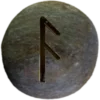
Many people associate Ansuz (ᚨ), pronounced “AHN sooz,” with Spekingr because the rune traditionally connects with wisdom, communication, inspiration, and sacred speech within Elder Futhark traditions. Modern interpreters often describe Ansuz (ᚨ) as representing thoughtful guidance and the responsible sharing of knowledge between teachers and communities. This connection fits closely with the image of Spekingr as a wise figure who preserves important understanding through spoken tradition and careful judgment.
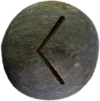
Kenaz (ᚲ), pronounced “KAY nahz,” also carries strong associations with Spekingr because the rune symbolizes illumination, learning, craftsmanship, and intellectual clarity within many modern interpretations of Elder Futhark symbolism. Practitioners frequently connect Kenaz (ᚲ) with the controlled flame of insight that reveals hidden truths while encouraging personal growth and disciplined reflection. Together, Ansuz (ᚨ) and Kenaz (ᚲ) represent communication and enlightened understanding, qualities that many people consider central to the symbolic identity of Spekingr.
Importance of Spekingr to Asatruar
Spekingr holds importance for many Asatruar because the concept encourages wisdom, responsibility, and thoughtful leadership within modern Norse spiritual communities. Followers often value practical knowledge and ethical behavior as essential qualities that strengthen both individuals and the wider community. Spekingr therefore represents an ideal reminding practitioners that learning should support honesty, balance, and respectful interaction.
Many Asatruar also appreciate the connection between Spekingr and oral tradition because storytelling, poetry, and historical memory remain important parts of modern gatherings and seasonal rituals. The image of a wise guide who preserves cultural understanding helps practitioners maintain continuity with ancestral traditions while adapting those traditions carefully to contemporary life. This role encourages ongoing study of mythology, language, and historical sources without losing sight of personal character and accountability.
Spekingr also symbolizes the importance of measured judgment during conflict or uncertainty within spiritual and social settings. Many practitioners admire calm wisdom more than dramatic displays of authority because thoughtful leadership strengthens trust and cooperation inside a community.