
Last Updated on April 25, 2026
Table of Contents
The Narrative Framework of Gylfaginning
Gylfaginning, sometimes spelled Gylfaginningr or Gylfaginnung in later variations, forms one of the central sections within the Prose Edda and presents a structured account of Norse cosmology through narrative dialogue. The name Gylfaginning translates roughly as the tricking or deluding of Gylfi, referring to a legendary Swedish king who seeks knowledge from the gods. Pronunciation follows a pattern close to GIL-fah-gin-ning, where the first syllable carries a short “i” sound and the double “n” creates a firm closing rhythm. This text uses storytelling to explain complex mythological concepts in a way that engages both memory and imagination.
The narrative begins with King Gylfi traveling in disguise under the name Gangleri, driven by curiosity about the power and wisdom of the Æsir. His journey leads him to a mysterious hall where he encounters three enthroned figures who present themselves as High, Just-as-High, and Third. These figures answer his questions about creation, the structure of the cosmos, and the fate of gods and humans. Their responses shape the reader’s understanding of Norse mythology while also raising questions about illusion and perception.
Gylfaginning functions as both a teaching text and a narrative puzzle, since the information provided may carry layers of truth and deception. The framing device suggests that knowledge often arrives through indirect means rather than straightforward instruction. This approach reflects a broader cultural value placed on wisdom gained through questioning and interpretation. The text invites readers to consider not only what they learn but also how they receive and understand that knowledge.
The Encounter with the Three Figures
The meeting between Gylfi and the three figures forms the core of Gylfaginning, as it provides a structure for presenting mythological material through dialogue. Each figure contributes to the unfolding explanation of the world, offering details about the origins of the universe, the roles of the gods, and the nature of fate. This layered conversation creates a sense of depth, where each answer builds upon previous information while maintaining an element of mystery. The format allows the text to cover a wide range of topics without losing narrative cohesion.
Descriptions within this section include the creation of the world from the body of the giant Ymir, the establishment of realms such as Asgard and Midgard, and the eventual destruction known as Ragnarök. These elements form the backbone of Norse cosmology and provide context for many other myths and legends. The dialogue format encourages readers to engage actively with the material, as each question leads to further exploration. This method ensures that the information remains dynamic rather than static.
The conclusion of Gylfaginning reveals that the hall and its inhabitants vanish suddenly, leaving Gylfi standing alone with the knowledge he has gained. This ending reinforces the theme of illusion, suggesting that the entire encounter may have been a constructed experience designed to teach and challenge him. The disappearance also emphasizes the fleeting nature of certainty within mythological narratives. Knowledge remains valuable, yet it often comes wrapped in ambiguity.
Role within the Prose Edda
Gylfaginning appears as a major section of the Prose Edda, a work attributed to Snorri Sturluson, who compiled and organized Norse myths during the medieval period. The Prose Edda serves as both a guide for poets and a repository of mythological knowledge, preserving traditions that might otherwise have faded. Within this larger work, Gylfaginning provides a coherent overview of cosmology and divine narratives. Its structure allows readers to access foundational stories in a single, interconnected framework.
The name Gylfaginning itself reflects Old Norse linguistic patterns, where compound words convey layered meanings through their components. The pronunciation of “gy” resembles a soft “gi” sound, while “faginning” carries a rhythmic flow that mirrors oral storytelling traditions. These phonetic qualities remind readers that the text originated within a culture that valued spoken performance. Language and sound played a crucial role in preserving and transmitting mythological knowledge.
Through its narrative design and thematic depth, Gylfaginning continues to serve as a key source for understanding Norse mythology. The text combines storytelling, instruction, and philosophical reflection in a way that engages both intellect and imagination. Its enduring influence demonstrates how narrative frameworks can shape the transmission of cultural knowledge. This combination of elements ensures that Gylfaginning remains central to the study of Norse myth.
Runes Connected to Gylfaginning
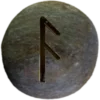
The rune Ansuz (ᚨ), pronounced AHN-sooz, aligns closely with Gylfaginning because it represents communication, divine inspiration, and the transmission of knowledge. This rune reflects the exchange between Gylfi and the three figures, where questions and answers create a pathway to understanding. The dialogue within Gylfaginning mirrors the flow of insight associated with Ansuz (ᚨ), emphasizing the importance of language and interpretation. This connection highlights the role of communication in shaping mythological awareness.
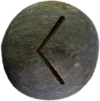
The rune Kenaz (ᚲ), pronounced KAY-nahz, represents illumination, learning, and the uncovering of hidden truths, which matches the thematic structure of Gylfaginning. This rune symbolizes the light that reveals knowledge, much like the explanations provided to Gylfi during his encounter. The gradual unfolding of cosmological details reflects the illuminating quality associated with Kenaz (ᚲ). Together, these runes capture the essence of discovery and understanding that defines the narrative.
Importance of Gylfaginning to Asatruar
Gylfaginning holds importance for Asatruar because it provides a structured account of Norse cosmology that supports understanding of gods, creation, and fate. The narrative format encourages reflection on how knowledge emerges through questioning and dialogue, which aligns with many modern interpretive practices. Practitioners often look to this text as a source of foundational stories that inform their worldview and spiritual perspective. Its content offers both detail and inspiration for continued exploration.
The themes of illusion and insight within Gylfaginning also encourage thoughtful engagement with myth rather than simple acceptance of surface meaning. Many see this aspect as an invitation to seek deeper understanding through study and reflection. This approach reinforces the idea that wisdom develops through active participation in learning. Gylfaginning continues to influence how individuals interpret and apply Norse mythological concepts.