Last Updated on April 16, 2026
Table of Contents
Trolls: Beings of Strength and Unpredictable Nature
Trolls, also spelled troll or tröll in Old Norse, represent powerful and often dangerous beings associated with wilderness, isolation, and raw physical strength. The Old Norse word tröll carries a broad meaning that can refer to giants, monsters, or supernatural entities, depending on the context in which it appears. You pronounce tröll as truhl, where the ö sounds similar to the vowel in the English word bird, though shorter and rounded with a distinct tonal quality.
These beings inhabit remote areas such as mountains, forests, and caves, where they remain separate from human communities and develop their own patterns of existence. Their appearance varies widely across descriptions, ranging from massive and grotesque figures to more humanlike forms that conceal their true nature. This variation reflects their connection to the untamed aspects of the world, where unpredictability shapes both form and behavior.
Trolls often display immense strength and resilience, allowing them to survive in harsh environments where few others can endure. Their actions sometimes bring them into conflict with humans, especially when boundaries between settled areas and wilderness begin to blur. These encounters highlight the tension between order and chaos, as Trolls embody forces that resist control and remain outside structured society.
Behavior, Traits, and Interaction with Humans
Trolls demonstrate a wide range of behaviors, from solitary existence to active engagement with others when circumstances draw them into contact. Some accounts describe them as cunning and capable of deception, while others present them as direct and forceful, relying on strength rather than strategy. This diversity in behavior reinforces their unpredictable nature and ensures that no single description fully defines them.
Interactions between Trolls and humans often involve conflict, misunderstanding, or attempts to outwit one another through cleverness or persistence. Humans who encounter Trolls must rely on awareness and adaptability, as these beings do not follow familiar patterns or expectations. This dynamic creates stories where survival depends on quick thinking and the ability to navigate unfamiliar challenges.
Many traditions describe Trolls turning to stone when exposed to sunlight, a detail that adds a layer of vulnerability to their otherwise formidable presence. This characteristic introduces a balance, where even powerful beings must contend with limitations that shape their behavior and choices. The image of stone figures scattered across landscapes reinforces their connection to the environment and its cycles.
Appearances in Early Sources and Linguistic Features
Trolls appear in various sagas and poetic sources, where the term tröll sometimes overlaps with other beings such as giants or supernatural adversaries. In texts like the Prose Edda, the word can describe entities that challenge gods or heroes, emphasizing their role as obstacles or opponents. These references demonstrate the flexibility of the term and its ability to encompass multiple forms of existence.
The spelling tröll includes the diacritical letter ö, which influences pronunciation by creating a rounded vowel distinct from standard English sounds. This feature adds depth to the word and preserves its original phonetic character within Old Norse language. Alternate spellings such as troll or trold appear in different regions and periods, reflecting adaptation while maintaining core meaning.
Understanding these linguistic elements helps clarify how Trolls function within narratives, as their name itself carries implications of strangeness and power. The connection between language and identity reinforces their role as beings that exist outside ordinary experience. This perspective allows for a richer interpretation of their presence and influence.
Runes Associated with Trolls
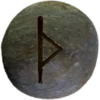
The rune Thurisaz (ᚦ) connects strongly with Trolls through its association with raw force, conflict, and the presence of powerful beings that challenge stability and demand response. This rune reflects the aggressive and formidable qualities often attributed to Trolls, emphasizing their role as forces that disrupt and confront. Its meaning aligns with their ability to create tension and provoke action through their presence.
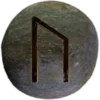
Another rune linked to Trolls is Ūruz (ᚢ), which represents physical strength, endurance, and the capacity to survive in demanding environments where resilience becomes essential. This rune captures the enduring nature of Trolls, as they persist in harsh conditions and maintain their presence despite challenges. Together, these runes highlight both the strength and the disruptive influence that define Trolls.
Importance of Trolls to Asatruar
For Asatruar, Trolls represent the untamed forces of the natural world, offering a perspective on how power exists beyond human control and requires respect and awareness. Their presence encourages reflection on the boundaries between order and wilderness, reminding individuals that not all aspects of existence conform to structured systems. This understanding supports a balanced approach to engaging with the world.
Trolls also highlight the importance of adaptability, as encounters with unpredictable forces demand quick thinking and the ability to respond effectively under pressure. By considering their role, practitioners gain insight into how to navigate challenges that arise without warning. This perspective reinforces resilience and awareness in daily life.
Through their enduring presence, Trolls continue to symbolize strength, unpredictability, and the need to engage carefully with forces that lie beyond familiar experience. Their example encourages thoughtful interaction with both environment and circumstance. This influence remains relevant and meaningful.