Last Updated on April 25, 2026
Table of Contents
Shapeshifting, Transformation of Form and Identity
Shapeshifting appears as a recurring ability within early northern traditions, where figures alter physical form to achieve goals, escape danger, or influence events. Pronunciation follows SHAYP-shif-ting, with clear emphasis on the first syllable and a steady rhythm through the remaining sounds. Alternate expressions include shape changing and form shifting, while older descriptive phrases sometimes refer to taking another hamr, with hamr pronounced HAHM-r, meaning outer form or skin.
This ability allows individuals to move between human, animal, and sometimes elemental forms, creating a flexible identity that adapts to circumstance rather than remaining fixed. Stories often present transformation as intentional, requiring focus, knowledge, or inherent capability rather than random change. This emphasis on control distinguishes shapeshifting from uncontrolled transformation found in other narrative traditions.
Accounts preserved in the Prose Edda and Poetic Edda include several figures known for altering their forms, with Loki frequently changing shape to influence outcomes or avoid consequences. One notable example involves Loki transforming into a mare, which demonstrates both the physical and situational flexibility associated with this ability. These references confirm that shapeshifting plays a central role in narrative development and character interaction.
Visual descriptions often emphasize the fluid transition between forms, highlighting how physical boundaries dissolve during the transformation process. Storytellers focus on the moment of change, where identity shifts alongside appearance, creating tension and unpredictability within the narrative. This dual transformation reinforces the idea that form and behavior remain closely linked.
Mechanics and Symbolic Meaning of Transformation
Shapeshifting operates through the concept of hamr, which represents the outer layer that defines visible identity while allowing inner essence to remain intact. This distinction enables a figure to adopt new appearances without losing continuity of self, creating a layered understanding of identity within narrative frameworks. Pronunciation of hamr remains HAHM-r, with a strong initial vowel and a subtle closing consonant.
Writers often depict transformation as a deliberate act, requiring knowledge or innate ability rather than external tools or devices. This portrayal emphasizes personal agency, where individuals actively choose when and how to change form in response to circumstances. Such depictions reinforce the importance of skill and awareness within transformative processes.
Symbolically, shapeshifting represents adaptability and the capacity to navigate complex situations through flexibility rather than rigidity. Characters who possess this ability often demonstrate resourcefulness, using transformation to overcome obstacles or manipulate outcomes. This function highlights the value of versatility within challenging environments.
Alternate terms such as shape changing and form shifting appear in modern discussions, yet the original concept of hamr provides a deeper framework for understanding how identity and appearance interact. These variations reflect evolving language while preserving the core idea of transformation. This continuity ensures that the concept remains accessible across different contexts.
Role in Narrative and Cultural Expression
Narrative traditions use shapeshifting to introduce complexity and unpredictability, allowing characters to operate beyond fixed limitations imposed by a single form. This ability creates opportunities for deception, exploration, and problem solving within stories that rely on dynamic interaction. Such flexibility enhances the richness of narrative development.
Figures known for shapeshifting often occupy roles that involve negotiation, conflict, or mediation, where the ability to change form provides strategic advantage. Their actions demonstrate how adaptability can influence outcomes, especially in situations where direct confrontation would prove ineffective. This dynamic reinforces the importance of creative approaches within narrative structures.
Modern interpretations continue to explore shapeshifting as a metaphor for identity, emphasizing how individuals adapt to changing environments while maintaining core aspects of self. This perspective connects traditional narratives with contemporary discussions about transformation and personal growth. The concept remains relevant across different forms of cultural expression.
Pronunciation remains SHAYP-shif-ting across contemporary usage, with alternate expressions offering slight variation in phrasing without altering meaning. The enduring presence of this concept highlights its significance as a narrative tool that captures both physical and symbolic transformation. This lasting relevance ensures its continued exploration in storytelling and analysis.
Runic Symbols Reflecting Shapeshifting
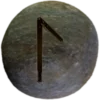
Laguz (ᛚ) rune connects strongly with shapeshifting through its association with fluidity, movement, and the ability to adapt to changing conditions without losing coherence. This rune reflects the continuous transformation inherent in shifting forms, emphasizing responsiveness and intuitive navigation of complex environments. Its symbolism aligns closely with the flexible nature of identity expressed through shapeshifting.
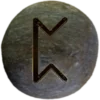
Perthro (ᛈ) rune offers a complementary perspective by representing hidden processes, mystery, and unfolding potential that reveal themselves over time. This aligns with the transformative act, where the outcome may remain uncertain until the change fully occurs. Together, Laguz (ᛚ) and Perthro (ᛈ) create a framework that highlights both fluid adaptation and the unfolding nature of transformation.
These runic associations deepen understanding of shapeshifting by linking its characteristics with symbolic systems that describe movement, change, and concealed development. Laguz (ᛚ) captures the flow of transformation, while Perthro (ᛈ) emphasizes the unfolding process that brings new forms into being. Their combined meaning reinforces the layered nature of identity within this concept.
Shapeshifting in Contemporary Asatruar Perspective
Asatruar communities often interpret shapeshifting as a symbol of adaptability and the ability to navigate life through flexible approaches rather than rigid definitions. This concept encourages practitioners to consider how identity can evolve in response to changing circumstances while maintaining a stable core. Such reflection supports a balanced understanding of transformation.
Its narrative presence also reinforces the importance of awareness and intentional action when facing complex situations that require creative solutions. Practitioners draw on this idea to emphasize personal agency and the value of responding thoughtfully to challenges. Shapeshifting continues to offer insight into growth, resilience, and the dynamic nature of experience.