Last Updated on April 20, 2026
Table of Contents
The Yew Valleys of Ullr
Ýdalir, also spelled Ydalir or Ydali, stands as a place deeply connected with wilderness skill, quiet endurance, and the craft of survival in cold northern lands. The name Ýdalir, pronounced “EE-dah-leer,” contains the séríslenskur letter Ý, which sounds like a long “ee,” giving the word a clear and flowing tone. This name translates directly to Yew Dales, which links the location to the yew tree, a material strongly associated with bow-making and precise hunting tools.
This place carries an identity shaped by function and environment, rather than spectacle or grandeur, and it reflects the mindset required for life in harsh climates. Dense groves of yew trees likely define its terrain, creating a landscape that encourages patience, awareness, and careful movement. Anyone entering Ýdalir would need to respect both the natural surroundings and the skills required to navigate them effectively.
Ullr resides in Ýdalir, and his presence reinforces the connection between this location and the mastery of archery, skiing, and winter travel. The setting doesn’t merely serve as a backdrop, since it actively shapes the abilities and discipline of those who spend time within its boundaries. Ýdalir represents a place where skill develops through repetition and environmental challenge rather than comfort or ease.
The Landscape and Its Symbolism
Its terrain reflects a balance between beauty and danger, where tall yew trees stand in quiet clusters across valleys shaped by cold seasons and shifting weather. These trees provide the raw material for bows, which ties the environment directly to the act of hunting and survival. This connection between land and tool highlights a relationship where nature supplies resources, yet demands respect and understanding in return.
Snow and ice likely cover large portions of Ýdalir during extended periods, which creates a setting that rewards those who can move with control and awareness. Travel across such terrain requires careful attention to balance, weight distribution, and timing, all of which align with Ullr’s known strengths. The landscape itself becomes a teacher, offering constant feedback to anyone willing to learn from its challenges.
Silence defines much of Ýdalir, not as emptiness but as a space where every sound carries meaning and consequence. Hunters must listen closely, observe subtle changes, and act with precision, since mistakes can carry immediate consequences in such an environment. This atmosphere reinforces a mindset where focus and restraint hold more value than speed or reckless action.
Mentions in Early Texts and Cultural Memory
Ýdalir appears in the Poetic Edda, specifically in the poem Grímnismál, where it receives a brief but clear mention as the dwelling place of Ullr. The name Grímnismál is pronounced “GRIM-nis-mawl,” and it presents a series of descriptions about various divine locations and figures. This reference confirms Ýdalir as an established location within early recorded tradition, even though details remain concise.
Snorri Sturluson, pronounced “SNOR-ree STUR-loo-son,” also preserves knowledge of places connected with divine figures, which helps maintain awareness across generations. His work in the Prose Edda contributes to the survival of these names, even when descriptions stay minimal. These mentions show that Ýdalir held recognized importance, despite the lack of extended narrative focus.
Place names across Scandinavian regions echo similar structures and meanings, suggesting that Ýdalir may have influenced how people named valleys and forested areas rich in yew trees. These linguistic traces reveal how strongly environment and identity intertwined in early northern societies. Ýdalir continues to represent a connection between land, skill, and the values needed to endure demanding conditions.
Runes Associated with Ýdalir
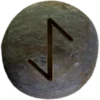
The rune Eihwaz (ᛇ) connects strongly with Ýdalir because it represents the yew tree and the endurance required to thrive in demanding conditions. This rune reflects stability, resilience, and the ability to adapt without losing core strength, which aligns with the environment of dense yew groves. Ýdalir’s identity as a place shaped by these trees makes Eihwaz (ᛇ) an essential symbolic link.
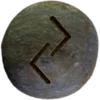
The rune Jēra (ᛃ) also relates to Ýdalir through its connection with cycles, harvest, and the passage of time marked by seasonal change. Life in such a landscape depends on understanding these cycles and preparing for shifts that influence survival and success. Together, these runes emphasize continuity, patience, and the rewards earned through consistent effort within a challenging environment.
Ýdalir’s Importance to Asatruar
Ýdalir holds importance to Asatruar because it represents a space where individuals connect directly with nature through skill, discipline, and consistent effort. The environment encourages a mindset focused on preparation and awareness, which aligns with values that emphasize personal responsibility. This connection helps practitioners develop a deeper respect for the land and the challenges it presents.
Many view Ýdalir as a symbolic place of training, where individuals refine their abilities and strengthen their understanding of both physical and mental endurance. The association with Ullr reinforces the importance of mastering practical skills while maintaining ethical conduct. This balance supports a way of living that values action guided by intention rather than impulse.
Ýdalir also reinforces awareness of seasonal cycles, especially the demanding winter period that tests resilience and adaptability. Honoring this place encourages individuals to prepare carefully and respond thoughtfully to changing conditions. Its significance lies in how it shapes behavior and perspective, guiding people toward a grounded and disciplined approach to life.