Last Updated on April 10, 2026
Table of Contents
The Land Spirits Vættir and Their Living Presence
Vættir represent a wide range of land spirits connected to specific places, and their name also appears as Vaettir, Wights, or Landvættir in different texts and interpretations. You pronounce Vættir as VYEH-teer, where the ligature Æ sounds like the vowel in the English word eye, and the double t creates a firm consonant sound. The accented form Landvættir, pronounced LAHND-vyeh-teer, includes the same Æ sound, which shapes the word with a distinct and flowing rhythm.
These spirits inhabit natural features such as hills, forests, rivers, and stones, and they form a close relationship with the land that surrounds human communities. People understand Vættir as guardians or presences that influence the well being of a place, which encourages respect for the environment. This connection creates a sense of shared space, where human activity interacts directly with unseen forces.
Vættir vary widely in form and temperament, and stories describe them as everything from helpful protectors to unpredictable beings that react strongly to disrespect or disturbance. This diversity reflects the complexity of the natural world, where different environments hold unique characteristics and energies. Their presence reinforces the idea that each place carries its own identity and requires careful attention.
Types, Roles, and Local Connections
Landvættir form a specific category within the broader group of Vættir, and they focus on protecting particular regions, which often includes coastlines, farms, and settlements. These spirits connect deeply with the identity of a place, and their favor or displeasure can influence the success of those who live there. This relationship encourages people to maintain harmony with their surroundings through respectful behavior and awareness.
Some traditions describe them as appearing in animal forms or as subtle presences that reveal themselves only under certain conditions, which adds to their mysterious nature. These appearances often reflect the environment they inhabit, which strengthens the connection between spirit and landscape. This adaptability allows them to interact with the world in ways that match their surroundings.
People often engage with Vættir through offerings or respectful actions, which aim to maintain positive relationships and ensure the well being of both the land and its inhabitants. These practices emphasize reciprocity, where humans give attention and care in exchange for stability and protection. This dynamic creates a balanced interaction that supports both sides.
Mentions in Early Texts and Cultural Continuity
They appear in the Prose Edda and in various sagas, where references to land spirits highlight their importance in shaping how people understand the environment around them. These texts present them as active participants in the world, and they emphasize the need to approach the land with respect. Their inclusion confirms their role within early narrative traditions and everyday life.
One well known account describes how ships approaching certain lands must remove threatening decorations, such as dragon heads, in order to avoid frightening the Vættir who guard the coast. This practice reflects a clear awareness of their presence and the need to maintain peaceful interaction. It also shows how belief in these spirits influences practical behavior and decision making.
Modern discussions continue to explore Vættir as symbols of environmental awareness and the connection between people and place, and their story encourages reflection on how actions affect the land. Their name, whether spelled Vættir, Vaettir, or Wights, continues to carry a sense of presence and responsibility. The pronunciation VYEH-teer preserves the original sound and maintains a link to its linguistic roots.
Runes Connected to the Nature of Vættir
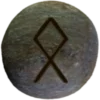
The rune Othila (ᛟ), pronounced OH-thah-lah, represents heritage, land, and inherited space, which aligns closely with the Vættir and their connection to specific locations. This rune emphasizes the importance of belonging and continuity, which reflects how these spirits remain tied to particular environments across generations. Othila (ᛟ) highlights the relationship between people and the land they inhabit.
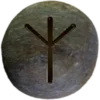
The rune Algiz (ᛉ), pronounced AHL-geez, represents protection, guardianship, and a connection to higher awareness, which mirrors their role as protectors of natural spaces. This rune emphasizes defense and the maintenance of balance, which reflects how these spirits respond to both respect and disruption. Together, Othila (ᛟ) and Algiz (ᛉ) illustrate the protective and place based nature of Vættir.
The Importance of Vættir to Asatruar
Asatruar often recognize Vættir as essential figures who represent the connection between human life and the natural world, and this recognition encourages a respectful approach to the environment. Their presence reinforces the idea that every place holds meaning and requires care. This perspective supports a sense of responsibility in how people interact with their surroundings.
The relationship with Vættir also highlights the importance of reciprocity, since actions toward the land can influence the response of these spirits and the overall balance of a place. This understanding encourages thoughtful behavior and awareness of long term impact. Many find value in this connection as they seek to maintain harmony in their daily lives.
They continue to hold relevance because they represent the living presence of the land and the unseen forces that shape it, and their story invites reflection on how people engage with the world around them. Their enduring role supports values such as respect, balance, and awareness. This lasting significance ensures that they remain meaningful within modern spiritual perspectives and practices.