Last Updated on April 9, 2026
Table of Contents

Týr: Guardian of Law, Courage, and Sacred Oaths
Týr is pronounced “TEER,” where the accented “ý” produces a long “ee” sound similar to “see,” giving the name a clear and focused tone. The letter “ý” reflects a distinctive vowel used in Old Norse, and its pronunciation carries a sense of precision that aligns with Týr’s association with order and justice. Alternate spellings such as Týr simplify the diacritical mark, yet they preserve the identity of a figure deeply connected to law, honor, and structured conflict.
He represents a form of courage grounded in responsibility, where actions align with principles that guide behavior within both individual and communal contexts. Unlike figures who rely on strength alone, Týr emphasizes fairness and the enforcement of agreements, ensuring that interactions follow established rules. His role highlights the importance of trust and accountability, especially in situations that involve risk or conflict.
Týr’s character demonstrates a willingness to act decisively when circumstances demand it, particularly when maintaining order requires personal sacrifice. This commitment to principle defines his identity, showing that true courage involves adherence to values even when consequences carry significant cost. His presence reinforces the idea that stability depends on individuals who uphold agreements and act with integrity.
Justice, Sacrifice, and the Binding of Fenrir
One of the most well-known stories involving Týr centers on the binding of Fenrir, a powerful wolf whose strength threatens stability and requires decisive action to contain. In this event, He places his hand in the wolf’s mouth as a pledge of good faith, demonstrating trust while acknowledging the risk involved. When Fenrir realizes the deception and bites down, He loses his hand, illustrating a sacrifice made in service of a greater goal.
This act reflects a deeper principle, where maintaining order sometimes demands personal loss, reinforcing the seriousness of commitments and the consequences of breaking them. Týr’s willingness to accept this outcome highlights his dedication to preserving balance, even at great cost. The story emphasizes that leadership involves responsibility and the courage to face difficult outcomes.
Through this narrative, Týr becomes a symbol of lawful action and the enforcement of agreements, showing how structure and trust enable communities to function effectively. His actions demonstrate that strength alone cannot sustain order without adherence to shared principles. This perspective reinforces the importance of integrity in both leadership and daily interactions.
Names, Pronunciation, and Literary Presence
The name Týr includes the accented “ý,” which produces a long and steady vowel sound that distinguishes it from shorter forms found in modern languages. This pronunciation creates a sense of clarity and emphasis, reflecting the precise nature of the figure it represents. In simplified spelling, Týr removes the accent but retains the essential sound and identity.
He appears in the Poetic Edda and the Prose Edda, where texts describe his role in maintaining order and his involvement in key events that shape the narrative landscape. These sources present him as a figure of principle, emphasizing his actions and the consequences that follow from them. They also provide context for his relationships with other figures and the broader structure of the world.
Through these accounts, Týr continues to represent a model of courage that prioritizes responsibility and adherence to law, offering insight into how individuals contribute to stability within complex systems. His story resonates because it highlights the importance of commitment and the willingness to act in alignment with values. This enduring portrayal ensures that his name remains associated with justice and integrity.
Runes Associated with Týr
The rune Tiwaz (ᛏ), pronounced “TEE-wahz,” connects directly with Him, reflecting themes of honor, justice, and the disciplined pursuit of right action within structured systems. This rune embodies the idea of sacrifice for the greater good, aligning closely with Týr’s role in maintaining order through personal commitment. Its upward-pointing shape symbolizes direction and purpose, reinforcing the importance of clarity in decision-making.
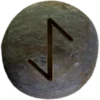
Another rune associated with Týr is Eihwaz (ᛇ), pronounced “EYE-wahz,” which represents endurance, resilience, and the ability to withstand challenges while maintaining stability. This rune highlights the strength required to uphold principles over time, even when faced with adversity. Together, Tiwaz (ᛏ) and Eihwaz (ᛇ) illustrate themes of justice and perseverance, capturing the essence of Týr’s influence.
Significance of Týr to Asatruar
Týr holds strong importance among Asatruar as a symbol of justice, courage, and the willingness to uphold principles even when doing so requires personal sacrifice. His example encourages individuals to act with integrity, ensuring that their decisions align with shared values and responsibilities. This focus on accountability reinforces trust within communities.
His role also emphasizes the importance of structure and law, highlighting how stable systems depend on individuals who commit to fairness and consistency. This perspective supports a balanced approach to conflict, where actions follow established principles rather than impulse. Through these qualities, Týr continues to serve as a meaningful example of disciplined courage and enduring responsibility.