
Last Updated on April 25, 2026
Table of Contents
Þórsdrápa: A Skaldic Tribute to Thunder and Trial
Þórsdrápa, pronounced roughly as “THORZ-drow-pa,” features the séríslenskur letter Þ, called thorn, which produces a hard “th” sound as heard in “thing.” The accented ó carries a long “o” sound, while á extends the vowel into a broad “ow” sound, shaping the poem’s distinctive name. Alternate spellings include Thorsdrapa, Thórsdrápa, and Thorsdrapa, each reflecting efforts to represent Old Norse sounds using modern alphabets. This skaldic poem stands as one of the most intricate and celebrated compositions dedicated to the god Thor, highlighting both poetic complexity and mythological depth.
The poem recounts Thor’s journey to confront the giant Geirröðr, weaving together vivid imagery and elaborate language that challenge both listener and reader. Skaldic Poetry demands careful attention due to its dense structure, where kennings and layered metaphors create multiple levels of meaning within each line. Þórsdrápa exemplifies this style, presenting Thor’s exploits through a lens that emphasizes both his physical strength and his role as a defender against chaotic forces. Its composition reflects the skill of its poet, Eilífr Goðrúnarson, whose name includes the accented í, pronounced as a long “ee” sound.
Within the narrative, Thor travels without his usual hammer, relying instead on other tools and his own resilience to overcome obstacles placed before him. The poem describes encounters with perilous landscapes and hostile beings, each moment crafted to heighten tension and showcase the god’s determination. These elements create a dynamic portrayal that moves beyond simple storytelling, transforming the journey into a demonstration of endurance and strategic thinking. Þórsdrápa captures both the physical and intellectual aspects of mythological conflict.
Readers often find that Þórsdrápa requires repeated study due to its intricate language and unconventional syntax, which differ significantly from more straightforward narrative forms. The poem’s structure reflects the oral tradition in which it developed, where skilled recitation brought its complexity to life. Its enduring reputation stems from this combination of artistic challenge and thematic richness, which continues to engage those interested in Norse literature. As a result, Þórsdrápa remains a central example of skaldic craftsmanship and mythological storytelling.
Structure and Poetic Technique
Þórsdrápa demonstrates the hallmarks of skaldic composition, including strict metrical patterns and extensive use of kennings that require interpretation to uncover their full meaning. These poetic devices allow the poet to compress detailed imagery into concise phrases, creating a layered narrative that rewards careful analysis. The poem’s rhythm and alliteration contribute to its memorability, supporting oral performance in a cultural context that valued skilled recitation. Through these techniques, the poem achieves both artistic elegance and narrative depth.
Language within Þórsdrápa often shifts between literal description and symbolic representation, blending physical action with metaphorical significance. This interplay enhances the portrayal of Thor’s journey, presenting it as both a tangible adventure and a reflection of broader themes such as order and chaos. The poem’s complexity does not obscure its meaning, but instead invites deeper engagement with its content. Such characteristics ensure its continued relevance within studies of Old Norse literature.
Presence in Eddic and Saga Traditions
Þórsdrápa survives through its inclusion in the Prose Edda, where Snorri Sturluson preserves portions of the poem as examples of skaldic verse. These excerpts provide valuable insight into both the poem’s content and the techniques employed by its author. Snorri’s work highlights the importance of Þórsdrápa as a model of poetic skill, ensuring its transmission to later generations. This preservation allows modern readers to access a piece of the rich oral tradition that once defined Norse storytelling.
References within the Prose Edda also connect the poem to broader mythological narratives, reinforcing its role within the larger body of Norse literature. The inclusion of Þórsdrápa demonstrates how skaldic poetry contributed to the preservation and interpretation of mythological themes. Its survival through these texts underscores its significance as both a literary and cultural artifact. Through this context, the poem continues to inform understanding of Norse mythology and poetic expression.
Runic Echoes of Power and Expression
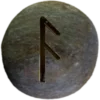
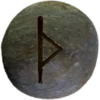
The rune Ansuz (ᚨ) aligns closely with Þórsdrápa, as it represents communication, inspiration, and the transmission of knowledge through spoken or written word. This rune reflects the poem’s role as a crafted expression of mythological narrative, where language serves as a conduit for cultural memory. Another rune associated with Þórsdrápa is Thurisaz (ᚦ), which symbolizes force, conflict, and the raw energy present in encounters between gods and giants. Together, these runes capture the balance between articulation and power that defines the poem’s enduring impact.
Meaning and Importance to Asatruar
Þórsdrápa holds importance to Asatruar, who often view it as a testament to the enduring strength of oral tradition and the value of preserving mythological narratives through skilled expression. Its intricate language encourages careful study and engagement, which aligns with efforts to understand and honor ancestral stories. Many interpret the poem as a reminder that knowledge requires dedication and thoughtful interpretation rather than passive acceptance. This perspective highlights the role of learning within spiritual practice.
Followers frequently draw inspiration from Þórsdrápa when considering how to engage with traditional material in a meaningful way. The poem’s complexity reinforces the idea that deeper understanding emerges through effort and attention to detail. Þórsdrápa continues to influence modern appreciation of Norse mythology, encouraging a deliberate and respectful approach to its rich literary heritage.