Last Updated on April 21, 2026
Table of Contents
The Nature and Presence of Járnviðjur
Járnviðjur, often written as Járnvidjur or Jarnvidr, refers to formidable giant women connected with a dark and foreboding forest known as Járnviðr, meaning Iron Wood. You pronounce Járnviðjur roughly as “YARN-vith-yoor,” where the “ð” sounds like the soft “th” in “this,” and the “j” carries a “y” sound. These figures embody raw wilderness, danger, and an untamed force that resists human order, shaping a vivid image of nature that refuses control. Stories describe them as ancient beings who dwell deep within shadowy woods, raising monstrous offspring and influencing events that ripple across the worlds.
Writers portray these women as guardians and nurturers of chaos, especially through their connection to wolves and other fearsome creatures. Their environment reflects their essence, since Iron Wood stands as a place where iron-hard trees grow densely and sunlight rarely penetrates the thick canopy. Travelers who enter such a place face confusion, fear, and an overwhelming sense of being watched by unseen presences. These qualities make Járnviðjur central figures in tales involving fate, transformation, and the inevitable clash between order and wild forces.
Accounts often link them to the upbringing of wolves destined to play roles in catastrophic events, which highlights their importance within a larger narrative of destruction and renewal. Their actions do not arise from simple malice, since they represent necessary forces that challenge stability and push existence toward change. This portrayal gives them depth beyond mere antagonists, since they act as agents of Natural Cycles that refuse to remain static. Their presence reminds listeners that existence includes elements no authority can fully tame or predict.
Origins and Literary Mentions
Sources such as the Poetic Edda, especially the poem Völuspá, include references to a giantess living in Iron Wood who nurtures monstrous wolves. This figure, often identified as a member of the Járnviðjur, raises offspring that grow into threats against divine and mortal realms alike. The text describes these creatures increasing in number and strength, which emphasizes the growing tension between structured order and chaotic forces. Such passages highlight the role of Járnviðjur as caretakers of beings that influence pivotal events.
Descriptions rarely focus on individual names, which gives the impression that Járnviðjur function as a collective rather than isolated personalities. This collective identity reinforces their association with a specific place and purpose, instead of personal ambition or individuality. Their anonymity adds to their mystique, since it suggests an enduring presence that persists beyond generations. This enduring quality strengthens their role as symbols of untamed wilderness that continues regardless of human or divine attempts to impose structure.
Pronunciation variations appear alongside spelling differences, including Jarnvidjur and Járnviður in related contexts, yet the core sound remains consistent with a strong emphasis on the opening “YARN” and the soft “th” sound. These linguistic variations reflect how oral traditions preserved their stories across regions and generations. Each version maintains the same essential meaning, tying them to iron, forests, and resilience. Their name alone conveys strength, harshness, and an environment that resists intrusion.
Symbolism and Cultural Meaning
Járnviðjur represent the boundary where civilization meets the unknown, forcing individuals to confront fears that structured society cannot eliminate. Their forest serves as both a physical and symbolic space where rules shift and certainty dissolves, creating an atmosphere that tests resolve and courage. Encounters with such figures often lead to transformation, whether through loss, knowledge, or a deeper understanding of existence. This symbolism places them at the heart of narratives that explore balance between opposing forces.
Stories emphasize their role in raising wolves, which symbolize destruction but also necessary change that clears the way for renewal. This dual role challenges simple interpretations, since it shows that what appears destructive can also contribute to future growth. Their actions align with cycles that include both endings and beginnings, rather than permanent ruin. This perspective offers a nuanced view of chaos as an essential component of existence rather than a force to eliminate entirely.
Through their connection to Iron Wood, Járnviðjur embody resilience and endurance, since iron suggests strength and permanence while the forest implies constant growth and change. This combination creates a powerful image of forces that persist while evolving over time. Their presence within these stories continues to captivate audiences because it reflects universal themes of fear, adaptation, and the limits of control. These elements ensure that their legacy remains vivid and relevant.
Runic Associations with Járnviðjur
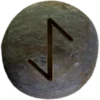
The rune Eihwaz (ᛇ) connects strongly with Járnviðjur because it represents endurance, transformation, and the link between life and death within harsh environments. Its meaning reflects the resilience required to exist within Iron Wood, where survival demands strength and adaptability in equal measure. This rune also suggests a connection to hidden forces that operate beneath the surface, aligning with the mysterious and often unseen influence of these giant women. Its presence reinforces themes of persistence and the inevitability of change.
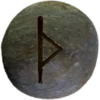
The rune Thurisaz (ᚦ) also aligns with Járnviðjur, since it embodies raw power, conflict, and the presence of giants within ancient traditions. This rune carries an association with forces that challenge order and provoke transformation through confrontation and disruption. Its meaning reflects both danger and protection, which mirrors the dual role of Járnviðjur as nurturers and threats within their domain. Together, these runes capture the essence of strength, chaos, and the enduring impact of primal forces.
Importance of Járnviðjur to Asatruar
Járnviðjur hold significance for Asatruar because they represent the untamed aspects of existence that modern life often attempts to suppress or ignore. Their stories encourage reflection on the balance between control and freedom, reminding practitioners that not all forces can or should become subdued. This perspective fosters respect for natural cycles, including destruction and renewal, which remain essential parts of life. Their presence within traditional narratives offers a way to engage with these ideas in a meaningful and symbolic manner.
Many Asatruar view Járnviðjur as reminders of the importance of respecting boundaries, especially those connected with nature and unseen forces. Their connection to Iron Wood emphasizes the need to approach certain spaces with caution and awareness rather than dominance. This attitude shapes rituals and personal beliefs that honor balance and acknowledge limits. Járnviðjur continue to influence modern spiritual thought while maintaining their ancient roots.