Last Updated on April 8, 2026
Table of Contents

Thorrablót: Midwinter Ritual of Survival and Unity
Thorrablót, pronounced Thor-rah-bloht, uses the “th” sound as in “thorn,” while “Blót sounds like “bloat,” and this ritual marks a powerful gathering during the coldest stretch of winter when endurance becomes essential. The name connects to Þorri, pronounced thor-ree, which identifies a winter month, while “blót” refers to sacrifice or offering, creating a term that emphasizes both timing and purpose within seasonal life. Common variations include Thorrablot and Thorri Blót, yet pronunciation remains consistent, with attention given to the long vowel sounds and the distinctive initial consonant.
People come together during Thorrablót to reinforce Community bonds while facing the stark realities of winter, where survival depends on preparation, cooperation, and shared resilience. Participants bring preserved foods such as fermented fish, dried meats, and cured products, which represent both necessity and cultural continuity through established preservation methods. These foods serve not only as nourishment but also as symbols of endurance, reflecting the ability to sustain life through careful planning and disciplined resource management.
The gathering creates an environment where hardship becomes a shared experience, allowing individuals to find strength in collective presence and mutual understanding rather than facing challenges alone. Fires provide warmth and light, while storytelling and spoken reflections connect participants with tradition and reinforce a sense of identity rooted in persistence. This ritual emphasizes action and engagement, encouraging people to confront seasonal difficulty directly while strengthening social ties that support survival.
Ritual Actions and Seasonal Context
Thorrablót unfolds through structured actions that include preparation of space, presentation of offerings, and shared consumption of food and drink, each step reinforcing the purpose of the gathering. Participants often designate a central area where offerings take place, creating a focal point that encourages attention and respect throughout the ritual. This deliberate organization ensures that each action contributes to a cohesive experience that blends symbolic meaning with practical awareness.
Offerings during Thorrablót reflect the realities of winter living, as preserved foods demonstrate both foresight and the ability to endure scarcity through knowledge and effort. Individuals present items that represent their contribution to communal survival, reinforcing the idea that each person plays a role in maintaining stability. Drinking rituals accompany these offerings, with shared vessels circulating among participants to encourage participation and spoken intention.
The seasonal context shapes every aspect of Thorrablót, as the depth of winter demands careful attention to resources, energy, and cooperation within the community. Participants recognize that survival depends not only on individual effort but also on collective action and shared responsibility. This awareness transforms the ritual into a practical expression of resilience, where symbolic gestures align closely with real-world needs and conditions.
Literary Mentions and Cultural Continuity
Early narratives include references to winter gatherings and sacrificial feasts that resemble Thorrablót, where leaders oversee ceremonies that strengthen social cohesion and reinforce shared responsibility during difficult periods. These accounts highlight the importance of structured ritual in maintaining order, especially when environmental conditions create uncertainty and strain on resources. The presence of communal feasting and offering underscores the role of ceremony in sustaining both morale and organization.
Such narratives reveal how communities integrate ritual into seasonal cycles, ensuring that each phase of the year receives acknowledgment through meaningful action and participation. Midwinter gatherings stand out due to their focus on endurance and adaptation, reflecting the necessity of maintaining strength during prolonged hardship. Through these accounts, Thorrablót emerges as a consistent expression of resilience, where ritual action supports both survival and cultural identity.
The continued practice of Thorrablót demonstrates its lasting relevance, as it connects individuals with cycles of challenge and perseverance while reinforcing the importance of unity and shared effort. Participants engage with the ritual not only as a tradition but also as a practical framework for understanding and responding to seasonal demands. This connection ensures that the ritual remains active and meaningful within present contexts.
Runes Reflecting Midwinter Endurance
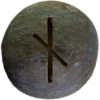
Two Elder Futhark runes align closely with the themes expressed during Thorrablót, highlighting endurance, necessity, and the discipline required to navigate harsh winter conditions. The rune Nauthiz (ᚾ), pronounced now-theez, represents need and constraint, emphasizing the tension that arises when resources become limited and survival requires careful management and resilience. This rune reflects the core experience of midwinter, where individuals must confront limitation while actively working to overcome it through cooperation and effort.
Isaz (ᛁ), pronounced ee-sah, symbolizes ice and stillness, capturing the suspended state of winter where movement slows and patience becomes essential for survival and stability. This rune reflects both physical conditions and emotional endurance, as individuals maintain focus and strength despite prolonged hardship. Together, Nauthiz (ᚾ) and Isaz (ᛁ) express the essence of Thorrablót, combining recognition of difficulty with the determination required to persist through it.
Contemporary Significance to Asatruar
Thorrablót holds strong importance for Asatruar, as it provides a structured way to engage with winter’s challenges while reinforcing communal bonds and shared responsibility through active participation. Participants gather to share preserved foods, reflect on personal and collective resilience, and strengthen connections that support both emotional and practical endurance. This engagement transforms the season into an opportunity for intentional action rather than passive experience.
The ritual encourages individuals to evaluate their preparedness and resource management, prompting thoughtful consideration of how they respond to hardship within their own lives and communities. Through shared practice, Asatruar maintain a connection to seasonal cycles that emphasizes cooperation, resilience, and continuity. This ongoing observance ensures that Thorrablót remains a meaningful and active expression of collective strength in modern life.