Last Updated on April 7, 2026
Table of Contents
Vetrnætr: Nights That Open the Winter Season
Vetrnætr, pronounced “VEH-tr-nae-tr,” with “æ” spoken like the vowel in “eye,” marks a three-night observance that signals the formal beginning of winter and the shift toward darker, colder days. The word combines “vetr,” meaning winter, and “nætr,” meaning nights, and people sometimes write it as Winter Nights or Vetrnaetr, while the pronunciation stays close to its Old Norse roots.
Communities observe this period in late autumn, when harvest work concludes and preparations for winter demand attention, and the ritual timing reflects urgency, reflection, and readiness for seasonal hardship. Participants gather to hold feasts, make offerings, and honor both deities and ancestral spirits, and they treat the occasion as a turning point that requires attention, respect, and communal cooperation.
Leaders guide the ritual through spoken invocations, and they focus on securing protection, ensuring food stores last, and maintaining social unity as long nights and difficult weather approach. People dedicate offerings such as meat, ale, and crafted goods, and they present these items with intention, since each gift represents a request for continued support and protection throughout winter.
The atmosphere combines solemn awareness with shared warmth, and participants use storytelling, music, and shared meals to reinforce bonds that help communities endure isolation and environmental challenges.
Seasonal Meaning and Ritual Actions
Vetrnætr carries strong seasonal meaning because it emphasizes transition, and it encourages people to recognize that survival depends on preparation, cooperation, and respect for Natural Cycles. Participants often focus on fertility and protection, and they direct offerings toward ensuring livestock survive, stored food remains sufficient, and families maintain health through the harsh months ahead. Rituals may include blessings of homes and tools, and these actions reinforce the idea that every part of daily life requires attention and care during the winter season.
Communities also honor ancestral spirits during this time, and they speak names, recall deeds, and maintain a sense of continuity that strengthens identity and resilience. The three-night structure gives the observance a measured rhythm, and each night may carry a slightly different emphasis, such as honoring deities, focusing on ancestors, or reinforcing communal unity.
People approach the nights with intention, and they treat each gathering as an opportunity to reinforce trust, share resources, and confirm that no member of the Community faces winter alone.
Symbolism, Variations, and Literary Mentions
Vetrnætr symbolizes the boundary between abundance and scarcity, and it reminds participants that careful planning and collective effort determine how well they endure the coming season. Different regions emphasize various aspects of the observance, and some communities focus more on agricultural outcomes while others highlight spiritual protection and ancestral remembrance. The observance often connects with deities associated with fertility, harvest, and protection, and these connections shape the tone and focus of each ritual gathering.
References in Ynglinga Saga describe seasonal sacrifices that align with the onset of winter, and these accounts show how leaders take responsibility for guiding communal rites and ensuring collective well-being. These descriptions highlight how ritual practice integrates with governance and daily life, and they reveal that observances like Vetrnætr carry both spiritual and practical importance.
Through its layered meaning, Vetrnætr stands as a structured response to seasonal change, and it continues to represent preparation, unity, and the enduring relationship between people and their environment.
Runes Connected to Vetrnætr
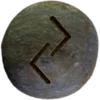
The rune Jēra(ᛃ) , pronounced “YEH-rah,” represents the cycle of the year and the completion of harvest work, and it aligns closely with Vetrnætr because the observance marks the end of one cycle and the beginning of another. Its meaning emphasizes timing, reward, and natural progression, and participants connect it with the idea that preparation during autumn directly shapes survival and stability throughout winter.
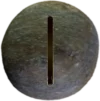
The rune Isaz (ᛁ) , pronounced “EE-sahz,” symbolizes ice, stillness, and concentration, and it reflects the quiet, frozen conditions that dominate the winter months following the observance. People associate Isaz (ᛁ) with focus and endurance, and they view it as a reminder that patience and discipline support survival during long periods of cold and limited resources.
Importance of Vetrnætr to Asatruar
Vetrnætr holds strong importance for Asatruar because it provides a structured moment to recognize seasonal transition while reinforcing community bonds and shared responsibility. Practitioners value the observance because it connects practical preparation with spiritual awareness, and it encourages people to align daily actions with larger cycles of nature and tradition. The ritual strengthens identity through participation, and it offers a way to honor both deities and ancestors while maintaining continuity with historical practices.
Many participants see the observance as essential because it creates space for reflection, planning, and communal support, and these elements help individuals and groups face winter with confidence and resilience.