Last Updated on April 7, 2026
Table of Contents
The Hidden Ritual of Alfablót
Alfablót, pronounced “AHL-fah-bloht,” where “á” sounds like “ahl” and “ó” sounds like “oh,” refers to a private and deeply personal ritual that honors the elves and ancestral spirits within early northern traditions. Some sources render the name as “Álfablót,” and the letter “Á” carries a broad “a” sound, similar to “awe,” which gives the word a fuller and more resonant tone when spoken aloud. This observance takes place during the darker part of the year, when communities turn inward and focus on family, land, and unseen presences that dwell close to human life.
Unlike large public ceremonies, Alfablót occurs within the household, and the head of the home leads the rite with careful attention to tradition and privacy. Outsiders do not attend, and travelers often receive refusal at the door during this time, which highlights the sacred and intimate nature of the ritual. Participants offer food, drink, and sometimes animal sacrifice to honor the elves, who maintain a close connection to fertility, protection, and the well-being of the land.
The ritual reflects a strong relationship between people and their immediate environment, where the boundary between the visible world and the unseen grows thin during the colder months. Families act with intention and respect, acknowledging that the spirits they honor influence both prosperity and hardship. This focus on local and familial practice creates a sense of continuity, where each generation maintains a bond with those who came before and with the hidden beings that share their space.
Seasonal Meaning and Cultural Context
Alfablót takes place in late autumn, often around the same period as other seasonal observances that mark the transition into winter, yet it maintains a distinct and inward character that sets it apart. The timing reinforces themes of closure, reflection, and preparation, as families gather their resources and strengthen spiritual ties before the harsher months arrive. This seasonal placement also emphasizes the importance of maintaining harmony with the unseen, since neglect could invite misfortune during a vulnerable time of year.
The elves honored during Alfablót do not appear as distant or abstract figures, since people understand them as closely tied to specific places such as mounds, fields, and homesteads. This connection encourages careful stewardship of land and property, since actions that disturb these beings could disrupt balance and invite negative consequences. The ritual therefore supports both spiritual awareness and practical responsibility, blending belief with daily life in a seamless way.
References to Alfablót appear in the Ynglinga Saga, part of the larger Heimskringla collection written by Snorri Sturluson, where the narrative describes how King Olaf Haraldsson encounters closed doors during this observance. The account highlights the secrecy of the rite and reinforces the idea that participation remains limited to those within the household, preserving its intimate and protected character.
Runes Reflecting the Spirit of Alfablót
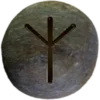
The rune Algiz (ᛉ), pronounced “AHL-geez,” represents protection, spiritual awareness, and a connection to higher forces, and it aligns closely with the intent behind Alfablót, where families seek safeguarding and harmony with unseen beings. This rune evokes a sense of watchfulness and sacred boundary, which mirrors the closed and private nature of the ritual.
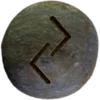
Another rune, Jēra(ᛃ), pronounced “YEH-rah,” symbolizes cycles, harvest, and the turning of seasons, which directly reflects the timing of Alfablót during late autumn. Jēra (ᛃ) emphasizes completion and renewal, reinforcing the idea that offerings and respect during this period help ensure future prosperity and balance.
The Importance of Alfablót to Asatruar
Alfablót holds strong importance for modern practitioners who follow these traditions, since it reinforces a connection to ancestry, land, and the unseen forces that shape daily life. The ritual encourages individuals to focus on their immediate environment and relationships, rather than seeking large public expressions of belief. By honoring elves and ancestral spirits within the home, practitioners strengthen a sense of continuity and belonging that extends across generations. This observance also promotes respect for seasonal cycles, reminding participants that each part of the year carries its own responsibilities and opportunities. Through Alfablót, they maintain a living relationship with both the past and the natural world that surrounds them.