Last Updated on April 17, 2026
Table of Contents
The Völsung Clan: Legacy of Power and Heroic Lineage
The Völsung Clan, also written as Volsung, Völsungar, or Waelsing, represents a powerful family line defined by strength, conflict, and enduring influence across early Northern storytelling traditions. The name Völsung includes the letter ö, pronounced similarly to “ur” in “fur,” making the name sound like “VURL-soong,” with a rounded vowel that carries a distinct tonal quality. This pronunciation reflects older linguistic patterns, preserving the sound and identity of a name that carries deep cultural weight.
Stories surrounding the Völsung Clan focus on generations shaped by fate, personal ambition, and relentless challenges that test both physical strength and emotional endurance. Members of this lineage often face betrayal, rivalry, and difficult choices that force them to confront the consequences of loyalty and vengeance. These narratives highlight a family that does not retreat from hardship, instead meeting each challenge with determination and a clear sense of identity.
Central figures within the Völsung Clan include legendary heroes and rulers whose actions define the direction of the family’s legacy across generations. Their stories connect through themes of honor, revenge, and the pursuit of justice, creating a continuous thread that links one generation to the next. Each member contributes to a larger narrative that emphasizes resilience and the importance of maintaining family identity despite constant upheaval.
Origins and Generational Strength
The origins of the Völsung Clan trace back to a founding figure whose descendants inherit both strength and responsibility, shaping a lineage that carries influence across multiple generations. Early members establish a reputation for courage and determination, setting expectations that later descendants must uphold through their own actions. This emphasis on inherited responsibility creates a powerful sense of continuity that defines the family’s identity.
Family bonds within the Völsung Clan often face intense strain, as internal conflicts and external pressures create situations where loyalty becomes difficult to maintain. Despite these challenges, members frequently demonstrate a commitment to preserving their lineage, even when doing so requires personal sacrifice or difficult decisions. This dynamic adds depth to their stories, showing how strength involves more than physical power.
The Völsung Clan also reflects the broader environment in which these stories unfold, where alliances shift quickly and survival depends on adaptability and strategic thinking. Members learn to navigate complex relationships while maintaining their sense of purpose, ensuring that the family’s legacy continues despite constant threats. Their ability to endure reinforces their reputation as a formidable and enduring lineage.
Presence in Early Literary Sources
The Völsung Clan appears prominently in the Volsunga Saga, where their story unfolds through a detailed narrative that explores themes of revenge, heroism, and the continuation of family legacy. This saga presents a multi-generational account, focusing on figures such as Sigmund and Sigurd, whose actions shape the destiny of the clan. The narrative provides insight into the values and challenges that define the family’s identity.
Accounts within this saga emphasize the importance of memory and storytelling, as each generation builds upon the experiences of those who came before. These stories preserve the clan’s history, ensuring that their achievements and struggles remain part of a shared cultural understanding. The Völsung Clan maintains a lasting presence that continues to influence later interpretations.
The saga also highlights the emotional complexity of its characters, presenting them as individuals who navigate difficult choices while striving to uphold their family’s reputation. This approach creates a rich and engaging narrative that captures both the strength and vulnerability of the Völsung Clan. Their story continues to resonate because it reflects universal themes of identity, conflict, and perseverance.
Runes Connected to the Völsung Clan
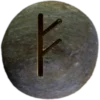
The rune Fehu (ᚠ) connects strongly with the Völsung Clan through its association with wealth, inheritance, and the transfer of power across generations, all of which define the family’s enduring legacy. Fehu (ᚠ) is pronounced “FAY-hoo,” and it symbolizes both material prosperity and the responsibility that comes with maintaining and passing forward family identity. This rune reflects the clan’s focus on preserving lineage and ensuring continuity despite constant challenges.
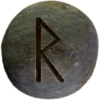
The rune Raido (ᚱ), pronounced “RYE-tho,” relates to journeys, movement, and the shaping of destiny through action, which mirrors the experiences of the Völsung Clan as they navigate conflict and change. Raido (ᚱ) represents purposeful motion and the idea that choices influence the direction of one’s path, aligning closely with the clan’s story. Together, these runes highlight themes of inheritance and movement that define the Völsung legacy.
The Völsung Clan and Asatruar Significance
The Völsung Clan holds strong importance among Asatruar, as their story reflects values such as resilience, honor, and the preservation of family identity during times of hardship and uncertainty. Their narratives provide examples of individuals who face adversity directly, using determination and strategic thinking to overcome challenges without losing their sense of purpose. This approach resonates with those who seek guidance from historical traditions while navigating modern life.
Connections to lineage and ancestry remain central, as the Völsung Clan demonstrates how individuals can maintain continuity across generations even when external forces threaten stability. Their story emphasizes the importance of remembering the past while actively shaping the future, creating a balance between tradition and personal agency. Many find inspiration to strengthen family bonds and preserve cultural identity.