Last Updated on April 10, 2026
Table of Contents
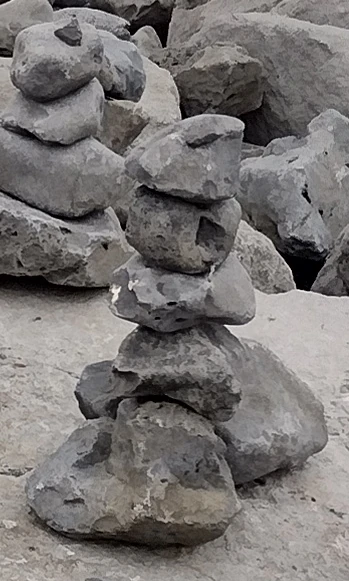
Hörgrs: Stone Altars of Sacred Offering
Hörgrs, also written as hörgr or hǫrgr, refer to stone-built altars or cairn-like structures used for ritual offerings and sacred gatherings in early northern traditions. Pronounce Hörgrs as “HERG-rs,” where the ö sounds like the “u” in “burn,” and the final “gr” blends with a slightly rolled consonant. The singular form hörgr carries the same pronunciation without the trailing “s,” and the alternate spelling hǫrgr uses the character ǫ, pronounced similarly to a short “o” as heard in “off.”
These structures consist of carefully arranged stones, often placed in elevated or open landscapes where participants could gather and perform offerings to divine powers and ancestral forces. Unlike enclosed temples, Hörgrs maintain a direct connection to the surrounding environment, allowing wind, light, and weather to become part of the ritual experience. This openness emphasizes a relationship between people and place, where sacred action unfolds within the living world rather than behind constructed walls.
Communities used Hörgrs for offerings that included food, drink, and valuable objects, placing these items upon the stones as gestures of respect, gratitude, or request. These rituals often aligned with seasonal changes or communal needs, creating a rhythm that connected human activity with Natural Cycles and shared responsibilities. The physical simplicity of Hörgrs contrasts with the depth of meaning they hold, as each stone contributes to a collective expression of reverence and intention.
Structure, Setting, and Cultural Role
Builders selected locations for Hörgrs with care, choosing hillsides, clearings, or prominent landmarks that offered visibility and a sense of presence within the landscape. These choices reflect an understanding that place carries meaning, and that rituals gain strength when performed in locations that resonate with communal memory and natural energy. The arrangement of stones did not follow a single strict pattern, yet each construction reflects deliberate effort and shared purpose.
Hörgrs differ from larger temple structures, often called Hof, because they do not enclose space or create separation between participants and their surroundings. This distinction highlights a more immediate form of engagement, where individuals stand directly within the elements while performing sacred acts. Through this interaction, participants experience a sense of continuity between themselves, the land, and the unseen forces they address.
References to Hörgrs appear in poetic sources such as the Poetic Edda, where they are mentioned alongside ritual actions and sacred spaces connected to divine figures. These references show they hold an established place within early traditions, serving as recognized locations for offerings and ceremonies. Their inclusion in these works reinforces their importance within communal and spiritual life, grounding abstract beliefs in tangible practice.
Endurance and Symbolic Meaning
Hörgrs embody endurance through their construction, as stone resists decay and preserves the memory of those who built and used these altars over time. Each stone contributes to a structure that can outlast generations, carrying forward the intentions and actions of those who gathered there. This durability allows Hörgrs to function as both ritual sites and markers of continuity within changing cultural landscapes.
The act of building or maintaining a Hörgr involves participation and shared responsibility, where individuals contribute effort to sustain a space that benefits the wider Community. This process strengthens social bonds while reinforcing a connection to tradition, as each addition or repair reflects ongoing engagement with inherited practices. The physical labor involved also grounds ritual in tangible action, linking belief with effort and presence.
Symbolically, Hörgrs represent a meeting point between human intention and natural materials, where stone becomes a medium for communication and expression. This relationship highlights a worldview that values interaction with the environment rather than separation from it, emphasizing respect and reciprocity. Through their continued presence, Hörgrs remind communities of the enduring connection between place, practice, and shared identity.
Runes Associated with Hörgrs
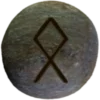
The rune Othila (ᛟ), pronounced “OH-thah-lah,” represents heritage, land, and inherited tradition, and it aligns closely with Hörgrs as enduring markers of communal identity and shared memory. Othila (ᛟ) reflects the importance of place and ancestry, emphasizing how physical locations carry meaning across generations through continued use and respect. This connection highlights how Hörgrs function not only as ritual sites but also as symbols of continuity and belonging.
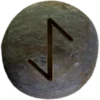
The rune Eihwaz (ᛇ), pronounced “EYE-wahz,” symbolizes endurance, stability, and the connection between different states of existence, and it complements the lasting nature of Hörgrs built from resilient stone. Eihwaz (ᛇ) conveys strength through persistence, reflecting how these altars withstand time and environmental change while maintaining their purpose. Together, these runes reinforce the themes of durability, connection, and the integration of human activity with the natural world.
Importance of Hörgrs to Asatruar
For Asatruar, Hörgrs provide a tangible way to engage with tradition through the creation and use of stone altars that reflect historical practices and values. These structures allow individuals and groups to perform offerings in open environments, fostering a direct connection with natural surroundings and shared heritage. By building and maintaining Hörgrs, practitioners actively participate in preserving and adapting traditions within a modern context.
Hörgrs also support communal gatherings, where participants come together to mark seasonal events, honor ancestors, and strengthen social bonds through shared ritual activity. This collective engagement reinforces a sense of identity and continuity, linking present actions with inherited customs and beliefs. Through these practices, Hörgrs remain active and meaningful elements within contemporary spiritual life.