Last Updated on April 25, 2026
Table of Contents
The Binding Power of Gleipnir
Gleipnir, sometimes written as Gleipner in modern adaptations, represents a remarkable binding crafted to restrain Fenrir, the immense wolf whose strength challenges even the combined efforts of divine beings. You pronounce Gleipnir as “GLAPE-neer,” where the first syllable rhymes with “shape,” and the second carries a clear “neer” sound. This object stands out because it appears delicate and light, yet it holds unmatched strength that surpasses heavy chains forged through ordinary means.
Craftsmen known as dwarfs create Gleipnir using six unusual ingredients that defy expectation, including the sound of a cat’s footsteps and the beard of a woman. Each component carries symbolic weight, representing elements that remain unseen or impossible to grasp through ordinary perception. This combination transforms Gleipnir into a binding that relies on subtlety and hidden qualities rather than visible mass or force.
The creation of Gleipnir highlights a shift from reliance on brute strength toward the use of ingenuity and precision, reflecting a deeper understanding of how power can operate through unexpected forms. Fenrir had already broken earlier chains, which forced the creators to seek a different approach that could succeed where raw material strength had failed. Gleipnir emerges as a symbol of strategy, creativity, and the effective use of intangible elements.
Mythic Context and Literary Sources
Gleipnir appears in the Prose Edda, where Snorri Sturluson recounts the story of Fenrir’s binding and explains how the dwarfs construct the ribbon-like restraint using extraordinary materials. The narrative emphasizes the contrast between appearance and function, since the thin band proves stronger than any previous attempt to contain the wolf. This account provides one of the clearest descriptions of Gleipnir and its role within the broader narrative.
During the binding, Fenrir grows suspicious of the seemingly fragile ribbon and demands a sign of trust before allowing the process to continue, which leads to a significant act involving the god Týr. This moment underscores the tension between deception and necessity, as the participants recognize the importance of restraining a force that threatens stability. The scene carries emotional weight, since it involves sacrifice, trust, and the consequences of collective decision making.
Alternate spellings such as Gleipner appear in some retellings, yet the pronunciation remains consistent with “GLAPE-neer,” preserving the distinct sound of the original name. The absence of diacritical marks in this word simplifies pronunciation compared to other Old Norse terms, though its phonetic structure still reflects the language’s characteristic clarity. This accessibility allows modern readers to engage with the concept more easily while maintaining its original identity.
Symbolism and Interpretive Meaning
Gleipnir represents the idea that subtle and intangible forces can achieve outcomes that direct strength alone cannot accomplish, highlighting the importance of perception, creativity, and strategic thinking. Its composition from impossible or unseen elements reinforces the notion that effective solutions often arise from understanding hidden aspects of reality. This perspective encourages a broader view of power that extends beyond physical capability.
The binding also reflects themes of control, limitation, and the ethical complexities involved in restraining a being whose nature poses a significant threat to others. Participants in the story must weigh the consequences of their actions, balancing immediate safety against long term implications that unfold over time. This dynamic adds depth to the narrative, transforming it into more than a simple tale of containment.
Modern interpretations often explore Gleipnir as a metaphor for the unseen constraints that shape behavior, relationships, and outcomes within both individual and collective contexts. Its story invites reflection on how invisible forces influence decisions and how awareness of those forces can lead to more effective action. It continues to resonate as a symbol of ingenuity and hidden strength.
Runic Connections to Binding and Subtle Power
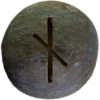
The rune Nauthiz (ᚾ), pronounced “NOW-deez,” represents necessity, constraint, and the pressures that drive action, which aligns closely with the creation and use of Gleipnir as a response to an urgent problem. This rune reflects the conditions that require innovative solutions when conventional methods fail to achieve desired results. Its symbolism emphasizes the role of challenge in prompting creative and effective responses.
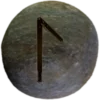
Another rune, Laguz (ᛚ), pronounced “LAH-gooz,” connects to fluidity, intuition, and unseen currents that influence movement and transformation within a given situation. This rune mirrors the subtle nature of Gleipnir, which relies on intangible elements rather than visible strength to achieve its purpose. Together, these runes illustrate how necessity and hidden forces combine to produce outcomes that reshape circumstances.
Importance of Gleipnir Among Asatruar
Practitioners who follow northern traditions often view Gleipnir as a powerful symbol of ingenuity, restraint, and the ability to address complex challenges through thoughtful and creative approaches. Its story encourages reflection on how individuals respond to situations that demand more than direct force or immediate action. This perspective supports a deeper engagement with problem solving that values insight and adaptability.
Modern interpretations emphasize the relevance of Gleipnir in understanding how unseen influences shape outcomes and how awareness of those influences can lead to more effective decisions. Engagement with this symbol allows practitioners to explore themes of limitation, responsibility, and strategic thinking within a meaningful framework. Through this process, Gleipnir continues to hold significance as an example of subtle strength and purposeful action.