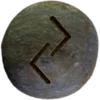
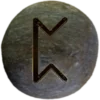
Last Updated on April 25, 2026
Table of Contents
Master Smiths and Ancient Dwarven Origins
Dvalin and Durin, also spelled Dvalinn and Durinn, hold an important place among the earliest dwarven figures described in Norse mythological tradition. Their names appear within foundational lists that outline the origins and identities of Dwarves who dwell beneath the earth and shape powerful objects. These figures embody craftsmanship, intelligence, and deep connection with stone and metal, which defines the dwarven role within mythological narratives. Their presence signals the beginning of a lineage that influences gods and heroes through skilled creation.
The pronunciation of Dvalin sounds like “DVAH-lin,” where the first syllable carries a firm consonant cluster and a broad vowel sound. Durin sounds like “DOO-rin,” with a long opening vowel and a smooth transition into the second syllable. The alternate spellings Dvalinn and Durinn reflect Old Norse grammar, where the ending consonant gains emphasis in written form while spoken language often softens it slightly. These linguistic forms preserve ancient pronunciation patterns that continue to guide modern interpretation.
Dvalin stands out as a figure often associated with wisdom and magical knowledge, especially in connection with crafted objects and runic understanding. Stories attribute to him a role in shaping items that carry enchantment, which suggests a deeper awareness of forces beyond ordinary skill. Durin, by contrast, often appears as a foundational ancestor within dwarf lineages, which places him at the root of a vast network of subterranean beings. Together, they represent both the intellectual and generative aspects of dwarven identity.
References within Old Norse sources mention Dvalin and Durin in catalogs that list dwarf names, particularly in poetic works that preserve mythological knowledge. These lists might appear simple at first glance, yet they serve an important purpose by recording the existence and roles of key figures. Their inclusion confirms their importance within the mythological framework, since only significant names receive preservation across generations. Through these mentions, Dvalin and Durin maintain a lasting presence in the cultural memory of the Norse world.
Craftsmanship and Mythological Influence
Dvalin and Durin influence the broader mythological landscape through their connection with creation and transformation, especially within the hidden realms beneath the earth. Dwarves craft weapons, jewelry, and tools that often carry magical properties, and these items frequently shape the actions of gods and heroes. Dvalin’s association with runes and enchantment enhances this creative role by linking physical objects with unseen forces. Durin’s role as a progenitor reinforces the idea that all dwarven skill descends from an original source of knowledge and ability.
Their influence extends beyond physical craftsmanship and into the shaping of mythological themes related to cooperation and dependency between different beings. Gods rely on dwarves for finely crafted items, which creates a relationship built on mutual benefit and occasional tension. Dvalin and Durin exemplify this dynamic through their foundational status, since later dwarves inherit both their talents and their responsibilities. This relationship enriches the narrative complexity of Norse mythology by showing how different groups contribute to a shared world.
Artistic interpretations often portray Dvalin and Durin as figures surrounded by tools, glowing metal, and carved stone, which reflects their mastery over materials drawn from the earth. These depictions emphasize focus, patience, and creativity, qualities that define the dwarven approach to their craft. By presenting them in this way, artists highlight the importance of skill and knowledge rather than brute strength. This focus ensures that their legacy continues to inspire fascination with the hidden processes that produce powerful creations.
Runes Reflecting Craft and Endurance
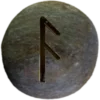
The rune Ansuz (ᚨ) connects with Dvalin due to its association with communication, knowledge, and the transmission of wisdom across generations. This rune represents the ability to understand and share complex ideas, which aligns with Dvalin’s link to runes and magical craftsmanship. Through this connection, Ansuz (ᚨ) highlights the intellectual aspect of creation, where understanding shapes the final result. Dvalin’s identity reinforces the idea that true mastery requires both skill and insight.
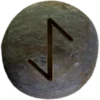
The rune Eihwaz (ᛇ) aligns with Durin through its representation of endurance, stability, and connection between different realms of existence. This rune reflects the strength required to maintain structure and continuity across time, which mirrors Durin’s role as a foundational ancestor. His presence supports the growth and persistence of dwarven lineages, ensuring that knowledge and skill endure through generations. Together, Eihwaz (ᛇ) and Durin symbolize resilience and the lasting impact of origin.
Enduring Meaning for Asatruar
Dvalin and Durin hold significant meaning for Asatruar who explore the values of craftsmanship, knowledge, and ancestral connection within Norse mythological tradition. Their stories provide insight into how ancient cultures valued skill and creativity as essential contributions to society. By examining their roles, practitioners can better understand the importance of creating objects and ideas that carry lasting influence. This perspective encourages a deeper appreciation for both physical and intellectual forms of work.
Many Asatruar interpret Dvalin and Durin as symbols of dedication and continuity, where each generation builds upon the achievements of those who came before. Their connection with dwarven craft highlights the idea that meaningful work requires patience, discipline, and a willingness to refine one’s abilities over time. This interpretation transforms their mythological presence into a guide for personal development and communal responsibility. Dvalin and Durin continue to inspire thoughtful engagement with tradition and creativity.