
Last Updated on May 22, 2026
Table of Contents

Hlíðskjálf in Norse Mythology and Spiritual Tradition
The High Seat of Odin in Norse Tradition
Hlíðskjálf, pronounced “HLEETH-skyahlf,” stands among the most important locations in Norse mythology because it served as the great high seat of Odin. Scholars also spell the name as Hliðskjálf, Hlidskjalf, or Hlithskjalf in English language sources that avoid Icelandic letters. The Icelandic letter “ð” sounds similar to the “th” in the English word “this,” while the accented “í” carries a longer “ee” sound during pronunciation.
Norse stories describe Hlíðskjálf as a magnificent throne or elevated seat located within Asgard, the realm of the gods. Odin used this position to observe every corner of the cosmos, including the worlds inhabited by gods, giants, elves, Dwarves, and humanity. The seat granted perfect sight across creation, which allowed Odin to gather knowledge, anticipate danger, and maintain awareness over unfolding events throughout the Nine Worlds.
The name Hlíðskjálf likely carries meanings connected to a watchtower, lookout place, or protective height. Many medieval writers connected the seat with wisdom, authority, and divine perception because Odin consistently pursued hidden knowledge throughout Norse literature. The throne reflected his role as a ruler who valued insight above comfort, since he sacrificed greatly in his endless search for understanding.
Several famous myths mention Hlíðskjálf directly during important moments between gods and other beings. One well known story describes Odin sitting upon Hlíðskjálf while observing distant lands and noticing the giant maiden Gerd. Odin’s son Freyr later sat upon the same seat without permission and became captivated after seeing Gerd from afar, which began one of the most famous romances within Norse mythology.
Descriptions in the Eddas and Norse Literature
The Prose Edda, written by Snorri Sturluson during the thirteenth century, contains several references to Hlíðskjálf and its extraordinary powers. Snorri described the seat as a place where Odin could observe all worlds and every living creature. These passages reinforced the image of Odin as a god deeply connected with wisdom, foresight, and awareness rather than simple military strength.
The Poetic Edda also preserves references connected with Hlíðskjálf through poems involving Odin and Freyr. The myths surrounding the seat often focus upon the consequences of seeing too much knowledge or becoming overwhelmed by desire after witnessing distant events. These stories gave Hlíðskjálf symbolic meaning beyond its physical description because the throne represented both enlightenment and personal responsibility.
Artists and historians frequently portray Hlíðskjálf as a towering golden throne positioned within Valaskjalf, one of Odin’s halls in Asgard. Medieval descriptions present the hall as a shining structure crafted with silver roofing and impressive architectural beauty. The seat itself became an extension of Odin’s authority because no ordinary being could safely wield such universal vision without wisdom and restraint.
Modern interpretations of Norse mythology often emphasize Hlíðskjálf as a symbol of perspective and spiritual observation. Readers continue to connect the throne with intellectual curiosity because Odin valued knowledge gathered through sacrifice, travel, and difficult experiences. The image of a ruler who constantly searches for truth still resonates strongly among people interested in mythology, literature, and northern European cultural traditions.
Symbolic Meaning and Cultural Legacy
Hlíðskjálf carried powerful symbolic meaning within Norse belief because elevated seats traditionally represented authority and sacred judgment across Germanic cultures. Odin’s throne expanded this concept into something cosmic by allowing its occupant to witness events across every realm simultaneously. The throne therefore reflected responsibility as much as power, since awareness of all things demanded difficult choices and constant vigilance.
Stories connected with Hlíðskjálf often explored themes involving destiny, temptation, and the dangers accompanying unrestricted vision. Freyr’s experience upon the throne demonstrated that divine sight could inspire longing and emotional suffering alongside wisdom. Norse storytellers therefore treated knowledge as something complex and demanding rather than purely beneficial or comforting.
Many historians view Hlíðskjálf as part of a broader Indo European tradition involving sacred thrones, mountain heights, and elevated places connected with divine authority. High places frequently symbolized closeness to spiritual truth because they created separation from ordinary earthly concerns. The throne of Odin embodied this ancient symbolic language while also expressing the distinctly Norse fascination with wisdom earned through hardship.
Contemporary interest in Hlíðskjálf remains strong among readers of mythology, fantasy literature enthusiasts, and scholars studying medieval Scandinavian traditions. The throne continues to appear in novels, visual art, games, and modern retellings inspired by Norse cosmology. Its enduring popularity reflects humanity’s continuing fascination with hidden knowledge, distant vision, and the difficult burden carried by those who seek complete understanding.
Runes Connected with Hlíðskjálf
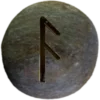
The rune Ansuz (ᚨ), pronounced “AHN-sooz,” connects strongly with Hlíðskjálf because it represents wisdom, communication, and divine inspiration associated with Odin. Ancient traditions linked Ansuz (ᚨ) with speech, poetic knowledge, and sacred messages delivered through intellectual insight. Since Hlíðskjálf granted Odin the ability to observe all worlds, many interpreters associate this rune with the throne’s connection to awareness and higher understanding.
The rune Raido (ᚱ), pronounced “RYE-thoh,” also relates meaningfully to Hlíðskjálf because it symbolizes journeys, order, and the movement of knowledge between realms. Odin constantly traveled in pursuit of wisdom, and Hlíðskjálf allowed him to observe those journeys unfolding throughout creation. Raido (ᚱ) therefore reflects the organized movement of cosmic forces and the careful guidance expected from a ruler who possesses far reaching vision and understanding.
Importance of Hlíðskjálf to Asatruar
Many Asatruar view Hlíðskjálf as an important symbol of wisdom, responsibility, and spiritual awareness within modern Norse religious practice. The throne represents Odin’s relentless pursuit of knowledge, which encourages practitioners to value learning, observation, and thoughtful judgment throughout daily life. Followers often interpret the myths surrounding Hlíðskjálf as reminders that wisdom requires discipline, patience, and personal sacrifice.
Hlíðskjálf also symbolizes the importance of seeing situations from a broader perspective before making decisions that affect family, Community, or personal honor. Modern practitioners frequently admire Odin’s willingness to seek understanding beyond immediate appearances, even when difficult truths emerged from his observations. This aspect of the myth encourages careful reflection and intellectual honesty during spiritual practice and personal development.
Some Asatruar connect Hlíðskjálf with meditation, contemplation, and the search for clarity during rituals honoring Odin and other Norse deities. The throne’s legendary ability to reveal distant events inspires symbolic practices centered upon insight and expanded awareness. Its enduring importance within modern Norse spirituality reflects continuing respect for wisdom, foresight, and the disciplined pursuit of truth.