

- This event has passed.
Ostara 2026: The Vernal Festival of Balance and Renewal
Ostara 2026 occurs at the spring equinox, which arrives on March 20 in most of the world. Many modern pagans mark that date as the festival of seasonal balance and new growth.
People pronounce Ostara as OH-stah-rah. Some speakers also say OH-star-ah. Both forms appear in modern practice. The name often connects with Eostre, pronounced AY-oh-streh or EE-oh-streh. Writers sometimes spell the festival Eostar, Eostre, or Oestara.
The word Eostre appears in the work of the Anglo-Saxon monk Bede. Bede writes about a spring month called Ēosturmōnaþ. People pronounce Ēosturmōnaþ as AY-oh-stur-moh-nath. The letter þ represents the “th” sound in thin. Linguists call that letter thorn.
Ostara celebrates balance. Day and night share nearly equal length. Many traditions view that balance as a symbol of harmony between light and dark. The season turns toward warmth and longer daylight.
Nature shows strong signs of renewal during this period. Flowers push through soil. Birds build nests. Farmers prepare fields for planting. These natural signs shape the symbolism of the festival.
Eggs appear in many Ostara celebrations. People see eggs as symbols of life and growth. Rabbits also appear in seasonal folklore. Rabbits reproduce quickly, so many cultures link them with fertility and spring abundance.
Many people celebrate Ostara outdoors. They walk through parks, forests, or gardens. They watch sunrise to mark the return of longer days. Some people plant seeds as a symbolic act of growth.
Food often reflects the season. Meals may include fresh greens, herbs, bread, honey, or eggs. These foods represent nourishment and the return of agricultural activity.
Ostara rituals often focus on renewal. Participants set new goals or intentions. They clear clutter from homes. Many also clean altars or ritual spaces to welcome the new season.
Seasonal Symbols and Cultural Meanings to Ostara 2026
Ostara symbolism centers on equilibrium and transformation. The equinox marks a pivot point in the yearly cycle. Darkness loses its dominance, yet light has not reached its peak.
Many practitioners create seasonal altars. They place flowers, colored eggs, seeds, or candles on these altars. Each object reflects an aspect of spring. Seeds represent potential. Flowers show visible growth.
Color also plays a role in celebration. People choose greens, yellows, and soft pastels. Green reflects plants and renewal. Yellow suggests sunlight and warmth.
Some celebrations include creative activities. Participants dye eggs, paint seasonal symbols, or craft decorations from natural materials. These activities help people focus on the themes of growth and rebirth.
Meditation and reflection often occur during Ostara. People consider what they want to cultivate in life. They may write intentions or plans for the coming months. The season encourages steady progress rather than sudden change.
Community gatherings also appear in some celebrations. Groups share meals, music, or storytelling. These gatherings strengthen social bonds while honoring seasonal rhythms.
Outdoor rituals often include greeting the sunrise or sunset. Participants stand quietly while the sun crosses the horizon. This moment symbolizes the turning of the seasonal wheel.
Many people also plant herbs or flowers during Ostara 2026. Gardening connects the celebration to physical growth in the earth. Even a small container garden can serve this symbolic purpose.
Modern celebrations vary widely. Some focus on spiritual ritual. Others emphasize seasonal awareness and nature appreciation. Despite differences, most observances share a central theme: renewal through balance.
The equinox reminds people that change unfolds through cycles. Winter fades, but its lessons remain. Spring begins, and life pushes forward again.
Elder Futhark Runes Linked With Ostara
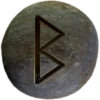
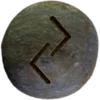
The ancient alphabet called Elder Futhark contains runes that symbolize natural cycles and growth. Two runes often appear in spring symbolism: Berkanan and Jēra.
Berkanan connects with birth and renewal. People pronounce Berkanan as BEHR-kah-nan. The rune’s name relates to the birch tree. Birch trees often grow first after winter or forest clearing. That trait makes the tree a symbol of regeneration. During Ostara, Berkanan represents new beginnings, fertility, and protective growth.
Jēra represents seasonal cycles and harvest timing. People pronounce Jēra as YEH-rah. The rune symbolizes the yearly turning of nature. Farmers once relied on seasonal rhythm to guide planting and harvesting. In Ostara symbolism, Jēra reminds people that effort produces results over time. Seeds planted now create future abundance.
Together, Berkanan and Jēra express the rhythm of spring. Berkanan marks the birth of life. Jēra reflects the long cycle that leads from planting to harvest.
Why Ostara 2026 Matters to Asatruar
For members of Asatruar, Ostara marks a meaningful seasonal threshold. The equinox signals a shift toward light, warmth, and agricultural activity.
Many Asatruar view the festival as a moment of renewal in both nature and personal life. They observe the balance of day and night as a reminder to seek harmony in daily actions. Seasonal rituals often emphasize gratitude for the returning sun.
Community gatherings often occur around this date. Families or kindreds may share food, storytelling, and outdoor activities. These gatherings strengthen social ties and reinforce cultural continuity.
Ostara also encourages practical action. Many participants begin gardens, plan seasonal projects, or set goals for the coming months. The festival encourages growth that mirrors the expanding life of spring.