Last Updated on April 19, 2026
Table of Contents

The Living Legacy of Vikings and Their World
The term Vikings, also written as Vikinger or Víkingar, refers to seafaring people whose culture, beliefs, and actions continue to shape how many understand early northern Europe today. The word Vikings comes from Old Norse “víkingr,” pronounced roughly as “VEE-kingr,” where the accented “í” sounds like “ee” in “see.” People used this term to describe those who traveled by sea for trade, exploration, and warfare, often leaving strong impressions across distant lands. Their identity extends beyond raiding, since they built communities, developed legal systems, and expressed complex beliefs through stories and rituals.
Vikings navigated vast distances using ships that combined flexibility, speed, and durability, allowing them to cross open seas and shallow rivers with remarkable efficiency. Their longships reflected advanced craftsmanship and deep knowledge of materials, as builders shaped wood into forms that handled harsh conditions without sacrificing maneuverability. These voyages connected regions across Europe, the North Atlantic, and even parts of Asia, creating networks that exchanged goods, ideas, and cultural practices. Such movement fostered a dynamic society where adaptability and resilience became essential traits.
Daily life among Vikings included farming, crafting, trading, and storytelling, all of which contributed to a vibrant and interconnected culture. Families worked together to maintain homesteads, while artisans produced tools, jewelry, and weapons that balanced utility with artistic expression. Social structures emphasized honor, reputation, and loyalty, guiding how individuals interacted within their communities and beyond. These elements reveal a society that valued both practical skills and symbolic meaning in everyday activities.
Beliefs, Stories, and Cultural Expression
Vikings expressed their worldview through stories that featured gods, giants, and heroic figures, creating narratives that explained natural forces and human experiences. These tales carried meaning through vivid imagery and memorable characters, allowing listeners to connect personal struggles with larger themes of conflict and transformation. Oral tradition played a central role, as storytellers preserved and shared knowledge across generations without relying on written texts. This approach encouraged flexibility, enabling stories to evolve while maintaining their core ideas.
The Poetic Edda and the Prose Edda include references to figures and themes connected with Viking culture, offering glimpses into their storytelling traditions and belief systems. These works present accounts of deities, heroic deeds, and moral challenges, giving readers insight into how people understood their place within a larger framework of existence. Sagas such as Heimskringla and Laxdæla saga expand on these ideas by blending historical events with narrative elements that highlight human ambition and consequence. Together, these sources preserve a rich tapestry of cultural memory.
Art and symbolism also played important roles, as Vikings carved intricate designs into wood, stone, and metal to express identity and belief. Patterns often featured interwoven animals and abstract forms, reflecting both aesthetic preference and symbolic meaning tied to protection or power. These creations served practical purposes while also communicating deeper messages about the world and the forces within it. Through such expressions, Vikings left a lasting visual legacy that continues to inspire interest and study.
Expansion, Influence, and Historical Presence
Vikings traveled widely, establishing settlements in regions such as Iceland, Greenland, and parts of the British Isles, where they influenced local cultures and economies. Their presence introduced new technologies, trade connections, and social interactions that reshaped communities over time. These expansions didn’t rely solely on conflict, since many Vikings integrated with local populations through cooperation and shared interests. This adaptability allowed them to leave enduring marks on language, law, and cultural identity.
Encounters with other societies brought both challenges and opportunities, as Vikings navigated unfamiliar environments and negotiated relationships with diverse groups. They adapted strategies depending on circumstances, sometimes engaging in trade and at other times resorting to force when necessary. This flexibility highlights their ability to respond to changing conditions without losing a sense of identity or purpose. Such experiences contributed to a reputation that combined fear, respect, and curiosity among those who encountered them.
The legacy of Vikings remains visible today through archaeological discoveries, linguistic traces, and enduring stories that continue to capture imagination. Modern audiences engage with this history through research, literature, and popular culture, ensuring that the influence of these seafaring people persists across generations. Their achievements and narratives offer valuable perspectives on resilience, exploration, and cultural exchange. This ongoing interest demonstrates how their impact continues to shape understanding of the past and its connection to the present.
Runes Linked to Viking Life and Action
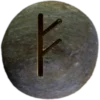
The rune ᚠ, known as Fehu (ᚠ) and pronounced “FAY-hoo,” connects strongly with Viking society through its association with wealth, resources, and the movement of goods. This rune reflects the importance of trade and material success, both of which played central roles in sustaining communities and enabling long-distance travel. Fehu (ᚠ) represents not only possessions but also the responsibility required to manage and distribute them effectively. Its symbolism aligns with the practical and economic aspects of Viking life.
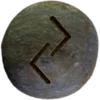
The rune ᚨ, called Ūruz (ᚢ) and pronounced “OO-rooz,” embodies strength, endurance, and raw vitality, qualities that defined the physical and mental demands placed upon Vikings. This rune captures the resilience needed to navigate harsh environments, engage in conflict, and maintain stability within communities. Ūruz (ᚢ) emphasizes personal power and the ability to overcome obstacles through determination and effort. Together, these runes highlight both the material and physical dimensions that shaped Viking existence.
The Meaning of Vikings for Asatruar Today
Vikings hold deep importance for Asatruar because they represent a connection to ancestral traditions, values, and ways of understanding the world. Their stories, actions, and cultural expressions provide a framework that helps practitioners explore identity and purpose within a historical context. This connection doesn’t rely on imitation, but instead encourages thoughtful engagement with the principles reflected in Viking life. Such engagement fosters a sense of continuity between past and present.
The emphasis on courage, honor, and responsibility resonates strongly, offering guidance for how individuals approach challenges and relationships in their own lives. Vikings demonstrate how people can act decisively while recognizing the broader forces that influence outcomes, creating a balance between agency and acceptance. This perspective supports a practical and reflective approach to daily living, grounded in both action and awareness. Their legacy continues to inform and inspire meaningful practice.