Last Updated on April 20, 2026
Table of Contents
The Story of Völundr’s Craft and Revenge
Völundarkviða, also spelled Volundarkvida or Völundar-kviða, presents a powerful narrative centered on skill, betrayal, endurance, and calculated revenge. The name Völundarkviða is pronounced “VUR-lund-ar-kvee-tha,” where the séríslenskur letter ö sounds like the “u” in “fur,” and the letter ð sounds like the “th” in “this.” This pronunciation gives the title a rhythmic and deliberate tone, reflecting the structured yet intense progression of the story.
The poem focuses on Völundr, a master craftsman whose abilities in metalwork and creation elevate him beyond ordinary human skill. His name, pronounced “VUR-lundr,” carries a weight that reflects both artistry and resilience under pressure. The narrative unfolds through a sequence of events that highlight the consequences of greed, confinement, and the refusal to submit to injustice.
Völundarkviða stands as a detailed account of how an individual responds when stripped of freedom and dignity, choosing calculated action rather than passive acceptance. The poem does not soften its themes, since it explores harsh realities through direct and often unsettling imagery. This approach creates a story that engages with both emotional intensity and moral complexity.
The Capture and Imprisonment of Völundr
The narrative begins with Völundr living alongside his brothers and their valkyrie companions, including Ölrún, in a period marked by harmony and shared experience. This stability breaks when the Valkyries depart, which introduces a sense of loss that shapes the actions of the remaining characters. Völundr’s isolation increases when King Níðuðr captures him, driven by desire for his unmatched craftsmanship.
Níðuðr, pronounced “NEE-thood,” cripples Völundr by severing his hamstrings, ensuring that escape becomes impossible and forcing him into a state of dependency. This act transforms a respected craftsman into a prisoner whose skills serve another’s ambition. The king’s actions demonstrate how power can distort justice when unchecked by restraint or accountability.
Despite physical limitation, Völundr maintains his mental sharpness and begins to plan a response that reflects both patience and precision. His captivity does not erase his identity, since his skill and determination remain intact beneath the imposed restrictions. This phase of the story emphasizes endurance and the ability to adapt under extreme conditions.
Revenge and Escape
Völundr’s response unfolds through a calculated series of actions that target those responsible for his suffering, focusing on the king’s sons and daughter. He kills the sons and transforms their remains into crafted objects, including goblets and jewelry, which he presents back to the royal family. This act merges artistry with vengeance, creating items that carry hidden meaning beneath their polished surfaces.
He also deceives the king’s daughter, resulting in consequences that extend his revenge into the next generation. These actions demonstrate a level of control and foresight that contrasts with the impulsive cruelty shown by Níðuðr. Völundr does not act without intention, since each step contributes to a broader plan that restores his agency.
After completing his revenge, Völundr escapes using a crafted set of wings, rising above the constraints that once held him captive. His departure signifies both physical freedom and the reclaiming of his identity as a creator and independent figure. The story concludes with a sense of resolution shaped by action rather than reconciliation.
Runes Associated with Völundarkviða
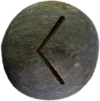
The rune Kenaz (ᚲ) connects strongly with Völundarkviða because it represents craftsmanship, knowledge, and the transformative power of creative skill. This rune reflects Völundr’s identity as a master smith whose work carries both practical and symbolic significance. His ability to shape materials into meaningful objects aligns closely with the illuminating and creative aspects of Kenaz (ᚲ).
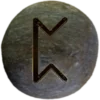
The rune Perthro (ᛈ) also relates to Völundarkviða through its association with fate, hidden processes, and the unfolding of events that reveal deeper truths. This rune emphasizes mystery and the consequences that emerge from unseen actions, which mirrors the layered nature of Völundr’s revenge. Together, these runes highlight the interplay between skill and destiny within the narrative.
Völundarkviða’s Importance to Asatruar
Völundarkviða holds importance to Asatruar because it presents a complex exploration of justice, resilience, and the use of skill to overcome adversity. The story encourages individuals to consider how they respond to hardship and whether they maintain control over their actions in difficult situations. This focus supports a mindset that values both strength and deliberate thought.
The narrative also highlights the responsibility that comes with power, especially when skill or knowledge can influence outcomes in significant ways. Many practitioners view Völundr’s actions as a reminder that choices carry consequences that extend beyond immediate circumstances. This perspective reinforces the importance of acting with awareness and intention.
Völundarkviða further emphasizes the idea that identity persists even under constraint, encouraging individuals to retain their sense of self despite external pressure. By engaging with this story, Asatruar explore themes of endurance, creativity, and accountability. These elements contribute to a deeper understanding of how individuals navigate challenges while maintaining personal integrity.