Last Updated on April 20, 2026
Table of Contents

Draugr: The Restless Dead and Grave Guardians
The draugr represents a powerful and unsettling figure, known as a reanimated corpse that retains physical form, strength, and awareness after death. The word appears in several forms, including draugr, draugar as the plural, and draugen in later Scandinavian traditions, while pronunciation follows a pattern like DROW-gr, where the first syllable rhymes with now and the second ends with a hard g sound. This term carries weight beyond simple horror, reflecting a belief that the dead can remain active and even dangerous within the physical world.
Stories describe the draugr as inhabiting burial mounds, guarding treasures, and fiercely protecting the possessions they held in life. These beings often display immense strength, the ability to grow in size, and a presence that creates fear through both physical force and supernatural influence. Their continued attachment to wealth, land, or status reveals a lingering connection to earthly concerns that prevents rest and drives their actions.
Accounts often portray encounters with draugr as violent and intense, requiring skilled warriors to confront and defeat them through strength, courage, and sometimes ritual knowledge. These confrontations highlight a worldview where death does not guarantee peace, and unresolved desires can lead to continued existence in a dangerous form. It therefore stands as a warning about imbalance, excess attachment, and the consequences of unresolved conflict.
References to draugr appear in Icelandic Sagas such as Grettis saga, where the hero Grettir battles a formidable undead opponent within a burial mound. This narrative provides a vivid depiction of the draugr’s strength and persistence, showing how physical combat combines with psychological tension during such encounters. These stories reinforce the idea that bravery and determination remain essential when facing forces that defy ordinary understanding.
Abilities, Behavior, and Fearful Presence
The draugr possesses a range of abilities that extend beyond simple animation, including control over weather, the spreading of disease, and the power to invade dreams or influence thoughts. These traits create a sense of pervasive danger, as it does not remain confined to a single location but can extend its influence outward. This reach transforms it from a local threat into a broader force that affects entire communities.
Physical descriptions often emphasize a swollen, darkened body, sometimes described as heavy and resistant to injury, reinforcing the idea that death has altered but not diminished its form. This appearance contributes to the fear it inspires, as it combines familiar human features with unnatural qualities that signal danger. Observers recognize the draugr as both known and unknown, creating tension between recognition and horror.
Behavior patterns show that the draugr acts with intent, often seeking revenge, protecting territory, or continuing habits established during life. This continuity suggests that personality traits persist beyond death, shaping actions and interactions with the living. Through these traits, the draugr becomes more than a monster, representing an extension of human character into a distorted and threatening state.
Alternate spellings such as draugen and draugar reflect regional variations and linguistic development, though the core concept remains consistent across these forms. Retaining the original term draugr preserves its connection with earlier language and cultural context. This continuity ensures that its meaning remains grounded while still adapting to different storytelling traditions.
Cultural Role and Continuing Influence
The draugr plays a significant role in shaping attitudes toward death, burial practices, and the importance of proper rites that ensure the dead remain at rest. Communities take precautions to prevent the return of such beings, including specific burial methods, protective charms, and vigilance regarding unusual disturbances. These actions reflect a proactive approach to maintaining balance between the living and the dead.
Stories involving draugr often explore themes of greed, unresolved anger, and the dangers of clinging too tightly to material possessions or personal power. These narratives serve as cautionary tales, encouraging individuals to consider the consequences of their actions and attachmentsThe draugr represents both a literal threat and a symbolic warning.
Modern interpretations continue to draw from these traditions, presenting the draugr in literature, games, and visual media as a formidable undead presence with roots in ancient storytelling. These portrayals maintain core characteristics such as strength, persistence, and connection to burial sites while adapting details for contemporary audiences. Through these evolving representations, the draugr remains a vivid and influential figure.
Runes Connected to the Nature of Draugr
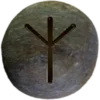
The Elder Futhark rune Hagalaz (ᚺ) aligns with the disruptive and destructive qualities associated with the draugr, representing sudden upheaval and forces that break established order. This rune reflects chaotic energy that can manifest without warning, much like the unexpected return of the dead in physical form. Its association with natural disruption mirrors the unsettling presence that a draugr brings into the world of the living.
Algiz (ᛉ) also connects with the draugr through its role as a symbol of protection and defense against unseen threats, including hostile entities that move between boundaries. This rune emphasizes vigilance and the need to maintain awareness when confronting dangers that do not follow ordinary rules. Together, Hagalaz (ᚺ) and Algiz (ᛉ) represent both the threat posed by the draugr and the protective measures required to face it.
Draugr and Their Importance to Asatruar
The draugr holds importance for Asatruar because it represents a clear example of what occurs when balance between life and death breaks down through unresolved attachment or improper transition. Its presence reinforces the need to honor the dead with appropriate rites, ensuring that individuals do not remain bound to the physical world in harmful ways. This understanding supports a respectful approach to mortality and remembrance.
Encounters described in traditional stories encourage awareness of personal conduct, particularly regarding greed, anger, and excessive attachment to material possessions. Asatruar often view these traits as potential sources of imbalance that can lead to negative outcomes if left unchecked. Through reflection on these narratives, individuals gain insight into maintaining harmony within both personal life and Community.
The draugr also serves as a reminder that strength alone does not guarantee peace, emphasizing the importance of wisdom and proper action in both life and death.