Last Updated on June 8, 2026
Table of Contents
The Sacred Felines of Freyja and Their Mythic Role
Freyja’s Cats, often identified with the names Bygul and Trægul pronounced BEE-gool and TRY-gool, serve as the powerful and graceful animals that pull the chariot of the goddess Freyja pronounced FRAY-yah within Norse mythology. Alternate spellings include Bygul, Tragul, and Tregul, reflecting differences in manuscript traditions and later interpretations of Old Norse sources. The letter æ in Trægul carries a sound similar to the vowel in the word cat, which shapes its spoken form.
Bygul and Trægul accompany Freyja, the goddess associated with love, fertility, beauty, and seiðr pronounced SAY-thr, a form of magic that involves foresight and transformation. Their presence emphasizes both elegance and strength, since they perform the demanding task of pulling a divine chariot while also representing independence and mystery. This pairing connects Freyja’s identity with qualities that extend beyond simple affection or beauty into deeper realms of power and influence.
Bygul and Trægul symbolize more than companionship, since they reflect the goddess’s authority over both domestic and wild aspects of life, blending familiarity with untamed nature. Cats in Norse culture often carried associations with fertility and household prosperity, which align closely with Freyja’s domains. Their role as chariot-pullers elevates them beyond ordinary animals, granting them a place within the divine order.
Their Presence in Myth and Cultural Meaning
Accounts of Bygul and Trægul appear in the Prose Edda pronounced PROH-suh ED-da, where descriptions of Freyja’s chariot include the presence of these remarkable animals. Although the texts provide limited detail about their individual actions, they establish a clear image of their role and significance. This brief yet vivid portrayal leaves room for interpretation while preserving their importance within the mythological framework.
Freyja’s Cats contribute to a broader symbolic system in which animals reflect the traits and powers of the deities they serve. Their independence mirrors Freyja’s autonomy, while their strength supports her movement across the realms of gods and humans. This connection reinforces the idea that divine power often expresses itself through natural forms that carry both practical and symbolic meaning.
The association with fertility and prosperity also appears in later folklore, where farmers sometimes left offerings for cats to ensure successful harvests and household well-being. This tradition reflects the enduring influence of Bygul and Trægul within cultural memory, linking mythological imagery to everyday practices. Their presence within these customs highlights the lasting impact of their symbolic role.
Symbolism and Enduring Interpretation
Freyja’s Cats embody a balance between gentleness and strength, presenting an image of animals that move with grace while performing tasks that require significant power. Their ability to pull a divine chariot illustrates how beauty and capability can coexist without contradiction. This duality reflects broader themes within Norse mythology, where opposing qualities often combine to create complex and meaningful figures.
Their connection to Freyja’s magical practices also suggests a link between intuition and independence, since cats often represent awareness and sensitivity to unseen forces. This association aligns with the nature of seiðr, which relies on perception and transformation rather than direct confrontation. Bygul and Trægul are symbols of subtle influence and quiet strength.
Modern interpretations continue to draw inspiration from these animals, emphasizing their role as companions that bridge the gap between the divine and the natural world. Their image persists as a reminder of the interconnectedness between humans, animals, and the forces that shape existence. This enduring relevance ensures that Freyja’s Cats remain a compelling element within Norse mythology.
Runes Connected to Bygul and Trægul
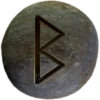
The rune Berkanan (ᛒ) pronounced BEHR-kah-nan aligns with Freyja’s Cats through its association with fertility, growth, and nurturing forces that support life and renewal. This rune reflects the connection between the cats and Freyja’s role as a goddess of fertility and prosperity. Their presence within her chariot reinforces the idea that life flourishes through care, balance, and attentive stewardship.
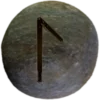
The rune Laguz (ᛚ) pronounced LAH-gooz connects with Bygul and Trægul through its link to intuition, fluidity, and the subtle movements that guide both physical and spiritual journeys. This rune captures the graceful motion of the cats as they pull the chariot and navigate the realms alongside Freyja. Together, these runes highlight the harmony between strength and sensitivity that defines their role.
The Importance of Bygul and Trægul to Asatruar
Freyja’s Cats hold significance for Asatruar as symbols of independence, fertility, and the balance between strength and gentleness within daily life and spiritual practice. Their association with Freyja encourages reflection on personal autonomy and the ability to move confidently through changing circumstances. This perspective supports a view of life that values both resilience and adaptability.
Many Asatruar also interpret these cats as reminders of the importance of respecting animals and recognizing their roles within both natural and spiritual contexts. Their presence highlights the interconnectedness between human experience and the living world. Bygul and Trægul represent guidance, companionship, and the enduring power of harmony between different aspects of existence.