Last Updated on April 10, 2026
Table of Contents
The First Humans Ask and Embla and Their Living Legacy
Ask and Embla stand as the first human beings created by the gods, and their names appear in several forms including Askr and Embla in Old Norse sources. You pronounce Ask as AH-sk, with a short and open vowel, while Embla sounds like EM-blah, where the final vowel carries a soft and open tone. These names contain no ligatures, yet their Old Norse forms reflect phonetic patterns that differ from modern English pronunciation.
The story describes how the gods encountered two lifeless tree forms along a shoreline, and they chose these shapes as the foundation for human life. Ask comes from the ash tree, while Embla may connect to elm or vine-like wood, which emphasizes a deep relationship between humanity and the natural world. The gods Odin, Vili, and Vé shaped them into living beings by granting breath, awareness, and physical form, which established the essential traits of human existence.
Each god contributed a distinct gift that formed the core of human identity, and these contributions created a balance between physical vitality and conscious awareness. Odin gave breath and life force, which allowed Ask and Embla to move and exist as living beings within the world. Vili provided intelligence and will, while Vé granted sensory perception and outward appearance, which together created a complete and functioning human presence.
Creation, Gifts, and Identity
This origin story places strong emphasis on transformation, since the gods did not create humans from nothing but instead reshaped existing natural forms into conscious beings. That act reinforces the idea that humans remain connected to the environment from which they emerged, and it highlights the importance of respecting that relationship. Ask and Embla therefore represent more than individuals, since they embody the beginning of human awareness and interaction with the world.
Their creation also reflects a structured understanding of what defines a person, because each divine gift corresponds to a key aspect of human life. Breath connects to vitality and survival, intelligence supports decision making and creativity, and sensory awareness allows interaction with surroundings and other beings. This layered construction shows a deliberate approach to defining humanity through multiple interconnected qualities.
Ask and Embla do not appear as active characters in extended narratives, yet their presence remains essential because they establish the foundation for all human generations that follow. Their story does not focus on conflict or personal journeys, but instead centers on the act of becoming and the responsibilities that follow existence. This focus gives their narrative a timeless quality that continues to resonate with discussions about origin and identity.
Mentions in Early Texts and Cultural Meaning
Ask and Embla appear in the Poetic Edda, particularly in the poem Völuspá, where their creation forms a key moment in the unfolding of the world and its inhabitants. The text presents their origin as a defining event that shapes the human role within a larger structure of existence. This brief yet significant mention ensures their place within early literary traditions and confirms their importance in foundational storytelling.
The imagery of trees transforming into humans continues to influence interpretations of their meaning, and it often encourages reflection on growth, change, and adaptation. Trees symbolize stability and connection to the earth, while human life introduces movement, thought, and culture into that rooted existence. This combination creates a powerful metaphor for how people balance their origins with their evolving identities.
Modern perspectives often revisit Ask and Embla as symbols of shared beginnings, and their story encourages a sense of unity across different cultures and experiences. Their names, whether spelled Ask and Embla or Askr and Embla, continue to represent the starting point of human life and awareness. The pronunciation remains consistent, with AH-sk and EM-blah capturing the original sounds in a way that aligns closely with Old Norse speech patterns.
Runes Reflecting the Essence of Ask and Embla
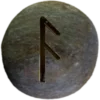
The rune Ansuz (ᚨ), pronounced AHN-sooz, represents breath, communication, and divine inspiration, which aligns closely with the life-giving gift that Odin provides to Ask and Embla. This rune emphasizes the importance of speech and awareness, since it connects human existence with higher forms of understanding and expression. Its presence highlights how breath functions not only as a physical necessity but also as a channel for thought and connection.
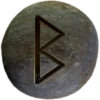
The rune Berkanan (ᛒ), pronounced BEHR-kah-nanh, relates to birth, growth, and nurturing, and it reflects Embla’s association with natural forms and the emergence of life from organic material. This rune carries strong connections to renewal and development, which mirror the transformation from tree forms into living humans. Together, Ansuz (ᚨ) and Berkanan (ᛒ) illustrate the balance between inspiration and growth that defines the origin of human existence.
The Importance of Ask and Embla to Asatruar
Asatruar often look to Ask and Embla as representations of shared human origin, and their story reinforces a sense of connection among people within a broader spiritual framework. This connection encourages respect for both individual identity and collective heritage, which strengthens Community bonds. Their creation narrative offers a foundation for understanding human purpose and responsibility within the world.
Their link to natural elements also plays a significant role, since Ask and Embla originate from trees and remain symbolically tied to the environment. This relationship encourages awareness of how human actions affect the natural world and promotes a sense of stewardship. Many individuals draw inspiration from this connection as they seek balance between personal growth and environmental responsibility.
Ask and Embla continue to hold meaning because they represent the beginning of human awareness and the potential for growth that follows creation. Their story supports values such as unity, responsibility, and respect for life in all its forms. This enduring relevance ensures that their presence remains active within modern spiritual perspectives and practices.