Last Updated on April 20, 2026
Table of Contents
The Unmatched Smith of Skill and Retribution
Völundr, also spelled Volundr, Wayland, or Weland, stands as a master craftsman whose reputation rests on precision, ingenuity, and unyielding determination. His name, pronounced “VUR-lundr,” includes the séríslenskur letter ö, which sounds like the “u” in “fur,” while the final “r” carries a light, rolled tone. This pronunciation gives his name a grounded and deliberate sound that reflects both his steady hand and focused mind.
He operates as a figure who embodies the union of creativity and resilience, where skill becomes both identity and means of survival under extreme conditions. Stories present him as a smith whose creations exceed ordinary craftsmanship, blending utility with artistry in ways that command attention and respect. Völundr does not rely on status or lineage alone, since his abilities define his standing through consistent excellence.
His identity also carries a strong association with independence, as he maintains control over his work and decisions despite external pressure. This independence shapes his responses when others attempt to exploit his abilities for their own gain. Völundr represents a form of mastery that resists domination, emphasizing self-reliance and the preservation of personal agency.
Capture and Forced Labor
Völundr’s story takes a dramatic turn when King Níðuðr captures him, driven by the desire to control his extraordinary craftsmanship. The name Níðuðr is pronounced “NEE-thood,” with the séríslenskur letter ð producing a soft “th” sound as in “this.” This act of capture transforms a respected artisan into a confined figure forced to work under coercion.
The king ensures Völundr cannot escape by severing his hamstrings, which removes his mobility while preserving his ability to create. This calculated cruelty reveals how power can manipulate skill without regard for the individual behind it. Völundr responds not with surrender, since he retains his mental clarity and begins to plan his eventual response.
During his captivity, he continues to produce remarkable objects, which maintain his identity even under restrictive conditions. His work becomes both a tool for survival and a foundation for the actions he intends to take. This phase highlights how expertise can persist despite physical limitation and external control.
Revenge and Escape Through Craft
Völundr executes a carefully structured plan of revenge that targets the king’s family, transforming his role from captive artisan to orchestrator of consequences. He kills the king’s sons and uses their remains to craft objects that he returns to the royal household, embedding his vengeance within his creations. This act merges artistry with intention, creating items that carry hidden meaning beneath their polished appearance.
He also deceives the king’s daughter, extending his revenge into a broader scope that impacts the future as well as the present. These actions reveal a mind that balances emotion with calculation, ensuring that each step contributes to a larger outcome. Völundr does not act impulsively, since every decision reflects careful planning and control.
His escape comes through the creation of wings, which allow him to rise above captivity and reclaim his freedom through his own skill. This moment symbolizes the ultimate expression of his identity, where craftsmanship becomes the means of liberation. Völundr leaves behind the consequences of his actions and reasserts his independence through flight.
Runes Associated with Völundr
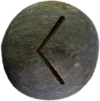
The rune Kenaz (ᚲ) connects strongly with Völundr because it represents craftsmanship, knowledge, and the transformative power of creation. This rune reflects the skill that defines his identity, where raw material becomes meaningful through deliberate effort and understanding. Völundr’s mastery aligns with the illuminating qualities of Kenaz (ᚲ), emphasizing both technique and insight.
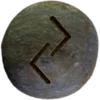
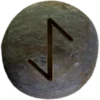
The rune Eihwaz (ᛇ) also relates to Völundr through its association with endurance, resilience, and the ability to withstand hardship while maintaining inner strength. This rune reflects his capacity to endure captivity and still act with purpose when opportunity arises. Together, these runes highlight both the creative and enduring aspects of his character.
Völundr’s Importance to Asatruar
Völundr holds importance to Asatruar because he represents the value of skill, perseverance, and maintaining identity under pressure. His story encourages individuals to develop their abilities with dedication, recognizing that mastery requires consistent effort and focus. This emphasis supports a practical approach to personal growth rooted in action.
His experience also highlights the importance of responding to injustice with awareness and intention, rather than allowing circumstances to dictate behavior. Many practitioners view his actions as a reflection of the need to balance strength with responsibility when facing adversity. This perspective reinforces the idea that choices carry lasting impact.
Völundr’s eventual escape demonstrates the power of using one’s abilities to regain control and move forward after hardship. By engaging with his story, Asatruar explore themes of resilience, creativity, and accountability. His presence encourages a grounded approach to challenges, where individuals rely on their skills and determination to shape outcomes.