Last Updated on April 25, 2026
Table of Contents
The Flow and Force of River Hríð
The River Hríð, also written as Hridh or Hrid, carries a name rooted in Old Norse language, where Hríð is pronounced roughly as “hreeth,” with a soft rolled r sound and a long ee vowel. The letter í includes an accent mark, called an acute accent, and it extends the vowel sound, making it longer and more emphasized during speech. This river appears in ancient northern traditions as a powerful and relentless current that reflects both movement and hardship, capturing attention through its association with raw natural intensity and elemental force.
River Hríð represents more than a simple body of water, because it embodies motion, resistance, and the passage through difficult terrain that shapes both land and spirit. Travelers who encounter descriptions of Hríð often imagine a churning flow cutting through stark landscapes, where icy winds and shifting ground challenge anyone who attempts to cross its path. The name itself connects to the idea of a storm or sudden violent weather, which reinforces the image of a river that does not move gently but instead surges forward with urgency and strength.
Writers and storytellers describe Hríð as a boundary as much as a pathway, since rivers in northern traditions frequently separate realms, mark transitions, or define the limits of known territory. This river does not simply divide space but also symbolizes a test that demands endurance, awareness, and courage from those who approach its banks. When people speak its name, they evoke not just water but the experience of confronting something unpredictable and unyielding, something that resists control and demands respect.
The Nature and Symbolism of Hríð
River Hríð carries symbolic weight through its association with harsh weather and sudden change, which aligns with its linguistic roots tied to storms and violent bursts of wind or snow. The pronunciation “hreeth” reflects a sharp and cutting tone that mirrors the river’s character, giving the word an auditory edge that suits its meaning. People who study these traditions often connect Hríð with moments of disruption, when calm conditions break apart and force individuals to adapt quickly or face serious consequences.
This river also represents transformation, since crossing or encountering it often marks a shift from one state of being into another, whether physical, emotional, or spiritual. The rushing waters suggest that time does not pause, and those who hesitate risk losing their footing or missing the opportunity to move forward. Hríð therefore stands as a reminder that progress requires engagement with difficulty, not avoidance, and that growth often emerges from confronting powerful and unsettling forces.
Descriptions of Hríð emphasize sound and motion, with roaring currents and crashing waves creating an environment that overwhelms the senses and commands attention. These details reinforce the idea that the river does not exist quietly in the background but instead dominates its surroundings and shapes the experience of anyone nearby. The presence of Hríð transforms the landscape into something dynamic and alive, where stability gives way to constant movement and shifting conditions.
Runes Connected to the River Hríð
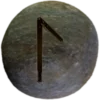
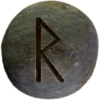
The rune Laguz (ᛚ), pronounced “lah-gooz,” connects strongly with River Hríð because it represents water, flow, and the deep forces that guide movement beneath the surface of visible reality. This rune captures the essence of currents and tides, reflecting how Hríð moves with purpose while remaining unpredictable and difficult to control. Another rune, Raido (ᚱ), pronounced “rye-tho,” aligns with the river through its association with journeys, travel, and the act of moving along a path shaped by external forces.
Laguz (ᛚ) emphasizes intuition and immersion, encouraging individuals to trust the flow even when conditions feel overwhelming or unclear. Raido (ᚱ) highlights direction and progression, suggesting that movement through challenging environments still follows a form of order or pattern. Together, these runes mirror the experience of encountering River Hríð, where motion and uncertainty combine to create a journey that demands both awareness and adaptability.
Meaning of River Hríð to Asatruar
River Hríð holds importance for Asatruar because it represents the raw and untamed aspects of the natural world that their beliefs honor and engage with directly. The river reflects the idea that nature does not exist for comfort or convenience but instead presents challenges that shape character and understanding. People who follow these traditions often view Hríð as a symbol of necessary struggle, where facing difficulty leads to growth and deeper connection with the forces that govern existence.
They see the river as a reminder that life involves constant movement and change, and that resisting this flow creates tension rather than stability. Hríð encourages acceptance of hardship as part of a larger cycle, where disruption clears the way for renewal and transformation. Through this perspective, the river becomes more than a feature of ancient storytelling, since it continues to influence how individuals approach resilience, adaptability, and their relationship with the natural world.