Last Updated on April 20, 2026
Table of Contents
The Shapeshifting Women of Legend
Swan-maidens, also written as swan maidens, swan-maidens, or the Old Norse term valkyrjur svanmeyjar, pronounced “VAHL-keer-yoor SVAHN-may-yar,” appear as mysterious women who shift between human and swan forms through enchanted feather cloaks. These figures move between wilderness and human spaces, creating tension between freedom and attachment while shaping encounters with hunters and warriors. Stories describe how a man might hide a swan cloak, forcing a Swan-maiden into marriage, though she often reclaims it and returns to the skies when opportunity arises.
Pronouncing Swan-maidens remains simple in modern English, yet the Old Norse svanmeyjar, pronounced “SVAHN-may-yar,” carries a softer rhythm that reflects the lyrical quality of early storytelling traditions. Alternate names include swan-women and swan maidens, though each variation points toward the same core idea of transformation and liminality. These beings often connect with water, air, and boundary spaces, emphasizing their role as figures who resist fixed identity and challenge human control.
Accounts describe Swan-maidens bathing beside remote lakes while their feather garments rest nearby, creating moments where human characters intervene and alter their fate. This recurring motif highlights a tension between desire and autonomy, since the act of hiding the cloak removes the Swan-maiden’s ability to choose her path freely. Many tales emphasize that such unions rarely last, reinforcing the idea that beings tied to wild forces cannot remain confined within human expectations for long.
Some narratives link Swan-maidens with battle maidens or valkyrjur, pronounced “VAHL-keer-yoor,” suggesting a shared identity between aerial spirits and choosers of the slain. This connection strengthens their association with fate, transformation, and movement between realms, though their swan form introduces a quieter, more elusive dimension. Descriptions often portray them as both alluring and distant, reinforcing their role as figures who inspire longing while remaining ultimately unattainable.
Appearances in Early Stories
References to Swan-maidens appear in heroic poetry such as the poem Völundarkviða, where three brothers encounter swan-clad women beside a lake, initiating relationships that blend companionship with underlying instability. The poem describes how the women eventually depart, leaving the men to confront loss and transformation, which drives the narrative forward. This portrayal emphasizes how Swan-maidens influence human lives without remaining permanently within them.
Other saga material echoes similar themes, presenting Swan-maidens as catalysts for change rather than static characters bound to a single role. These appearances reinforce the idea that encounters with such beings alter destiny, often leading to both growth and hardship for those involved. Storytellers use these figures to explore the consequences of desire, possession, and the limits of human authority over forces tied to nature.
Runes Linked to Swan-Maidens
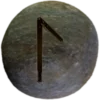
The rune Laguz (ᛚ) connects strongly with Swan-maidens due to its association with water, intuition, and fluid transformation, reflecting their movement between lake and sky. Laguz (ᛚ), pronounced “LAH-gooz,” emphasizes emotional depth and unseen currents, which align with the hidden motivations and shifting identities these figures embody. This rune captures the sense of mystery surrounding Swan-maidens, particularly their ability to navigate boundaries that humans struggle to understand.
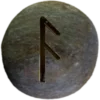
Ansuz (ᚨ) also relates to Swan-maidens through its ties to breath, communication, and divine inspiration, suggesting a link between their presence and moments of revelation or altered awareness. Ansuz (ᚨ), pronounced “AHN-sooz,” represents the voice that carries knowledge across realms, mirroring how Swan-maidens bridge human and otherworldly experiences. Together, these runes highlight themes of transformation, perception, and the exchange of power between different states of being.
Meaning for Modern Asatruar
Swan-maidens hold symbolic importance for Asatruar who seek deeper understanding of transformation, personal freedom, and respect for forces beyond human control. These figures represent the balance between connection and independence, reminding practitioners that relationships should never erase individual identity or agency. Their stories encourage reflection on how desire, restraint, and choice shape meaningful interactions.
Many view Swan-maidens as archetypes of transition, guiding individuals through periods of change while emphasizing the importance of honoring Natural Cycles and personal boundaries. Their narratives also reinforce respect for the unseen, urging practitioners to approach spiritual experiences with humility and awareness. This perspective keeps Swan-maidens relevant as symbols of movement, mystery, and the enduring pull of the wild.