Last Updated on June 8, 2026
Table of Contents

The Ever Renewing Boar Saehrímnir
Saehrímnir, also written as Sæhrímnir in Old Norse sources, appears in Norse mythology as a remarkable boar that provides endless sustenance within Valhalla. The name Saehrímnir follows a pronunciation close to SIGH-ree-mneer, where the “ae” or “æ” produces a sound similar to “eye,” and the accented í sounds like “ee,” while the final “r” carries a light roll. This name combines elements that suggest sea and soot or dark coloration, which creates a layered identity rooted in both imagery and sound. Linguistic features within the name reflect the importance of oral tradition in preserving mythic figures.
Saehrímnir serves as a central source of nourishment for the Einherjar, the warriors who reside in Valhalla after death. Each day, the cook Andhrímnir prepares the boar, and the warriors consume it as part of their daily feast. Despite this repeated consumption, it returns to life each evening, fully restored and ready for the next day. This cycle establishes him as a symbol of renewal, abundance, and continuity within the mythological framework.
Its presence within Valhalla reflects a broader theme in Norse mythology that emphasizes sustenance through repetition and regeneration. His role ensures that the warriors maintain their strength as they prepare for the eventual conflict of Ragnarök. The endless cycle of consumption and renewal removes scarcity from this setting, allowing focus to remain on readiness and unity. This function positions Saehrímnir as both a practical and symbolic figure within the myth.
Role in Valhalla’s Daily Life
Saehrímnir occupies a vital place within the daily routine of Valhalla, where the einherjar gather to feast after engaging in combat training. Each day follows a pattern of battle, healing, and communal dining, with it providing the central meal. This repetition reinforces the idea that preparation for future conflict requires both physical sustenance and shared experience. The boar’s constant renewal supports this structure without interruption.
The cook Andhrímnir uses a cauldron named Eldhrímnir to prepare Saehrímnir, which adds another layer of symbolism to the process. The name Eldhrímnir suggests fire and soot, linking the act of cooking to transformation and renewal through heat. This connection between fire and rebirth enhances the significance of Saehrímnir’s daily restoration. The entire process reflects a controlled cycle where destruction leads directly to regeneration.
Old Norse pronunciation contributes to understanding these names, as the letter æ in Sæhrímnir produces a sound similar to “eye,” while the combination of consonants creates a rhythmic flow. These phonetic elements shaped how listeners experienced the story during oral recitation. Variations such as Saehrímnir adapt the spelling for modern readability while preserving the original sound. This balance allows the figure to remain accessible without losing authenticity.
Mentions in Norse Texts
Saehrímnir appears in the Prose Edda, where descriptions of Valhalla and its inhabitants provide context for his role. The Prose Edda, written by Snorri Sturluson, preserves many details about the daily life of the gods and the einherjar. Within this text, it stands out as a unique figure whose existence ensures the continuity of feasting and preparation. His inclusion highlights the importance of sustenance within the mythological environment.
The narrative emphasizes how Saehrímnir undergoes repeated cycles of death and rebirth without loss of vitality or essence. This process reflects a broader cosmological theme where destruction does not mark an end but serves as a step toward renewal. The boar embodies this principle in a direct and tangible way, making the concept accessible through imagery. His role connects everyday needs with larger mythological ideas.
Through his presence in these texts, Saehrímnir contributes to a vision of Valhalla that balances conflict with stability and abundance. The warriors rely on his renewal as they prepare for future events, which reinforces the interconnected nature of all elements within the myth. His story remains concise yet powerful, demonstrating how a single figure can carry significant symbolic weight. This enduring relevance secures his place within Norse mythology.
Runes Associated with Saehrímnir
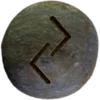
The rune Jēra (ᛃ), pronounced YEH-rah, aligns with Saehrímnir because it represents cycles, harvest, and the steady return of resources through natural processes. This rune reflects the daily renewal of the boar, where each cycle of consumption leads directly to restoration. It emphasizes the idea that sustenance arises from repeated patterns rather than one time events. It embodies this principle through his continuous regeneration.
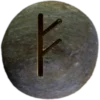
The rune Berkanan (ᛒ), pronounced BEHR-kah-nan, connects with growth, nourishment, and the sustaining forces that support life and Community. This rune mirrors the role of Saehrímnir in providing food that strengthens the einherjar and maintains their readiness. It also symbolizes renewal and the nurturing aspect of cyclical processes. Together, these runes highlight the themes of sustenance and regeneration that define Saehrímnir’s significance.
Importance of Saehrímnir to Asatruar
Saehrímnir holds importance for Asatruar because his story illustrates the concept of renewal and the sustaining cycles that support both physical and spiritual well being. His role within Valhalla emphasizes the importance of nourishment as a foundation for strength and readiness. Practitioners often interpret his presence as a reminder that consistent renewal supports long term resilience. This perspective connects mythological imagery with practical understanding.
The cycle of death and rebirth associated with Saehrímnir also reflects a broader worldview where endings lead to new beginnings rather than final conclusions. Many see this pattern as a guiding principle that encourages adaptability and acceptance of change. This interpretation reinforces the idea that continuity arises through transformation. Saehrímnir continues to offer insight into sustaining strength and balance.