Last Updated on April 20, 2026
Table of Contents
Dwarves of Craft and Deception
Fjalar and Galar, sometimes written as Fialar and Galar or Fjalar and Galarr, stand as two dwarven figures whose actions shape one of the most striking tales involving knowledge and transformation. Their names carry sharp and memorable sounds, with Fjalar pronounced “FYAH-lar,” where the “fj” blends into a soft “fy” sound, and Galar pronounced “GAH-lar,” with a clear and open vowel. These names reflect distinct identities, yet their story binds them together through shared intent and consequence.
These dwarves gain recognition for their role in the death of Kvasir, a being formed from the combined wisdom of divine figures, whose knowledge surpasses that of any single source. Fjalar and Galar lure Kvasir into their dwelling and kill him, collecting his blood and mixing it with honey to create a powerful mead. This act demonstrates their cunning and ambition, as they transform knowledge into a substance that grants poetic inspiration and insight.
The mead they create becomes known as the Mead of Poetry, a substance that grants the ability to compose powerful verse and access deeper understanding. Fjalar and Galar guard this creation closely, recognizing its immense value and the influence it holds over those who consume it. Their actions reveal a desire not only to possess knowledge but also to control its distribution.
Alternate spellings such as Fjalar and Galarr appear in various sources, though pronunciation remains consistent with the original Old Norse forms. These variations highlight how oral storytelling preserves sound while written traditions adapt spelling across time. The enduring presence of their names ensures that their story continues to resonate.
The Creation of the Mead of Poetry
The tale of Fjalar and Galar reaches its most significant moment through the creation of the Mead of Poetry, which transforms the essence of wisdom into a tangible and powerful substance. This act demonstrates a unique blend of creativity and moral ambiguity, as it arises from both innovation and violence. Their ability to produce such a substance highlights the complex nature of their character.
After creating the mead, Fjalar and Galar extend their pattern of deception by inviting the giant Gillingr and his wife into situations that lead to their deaths, further emphasizing their willingness to act without restraint. These events escalate the consequences of their behavior, drawing attention from others who seek justice or retribution. Their actions create a chain reaction that expands beyond their initial act.
The dwarves eventually face confrontation from Suttungr, a relative of Gillingr, who captures them and demands recompense for their actions. To save themselves, Fjalar and Galar surrender the Mead of Poetry, relinquishing control over the very creation that defined their ambition. This outcome illustrates how their pursuit of power leads to loss and vulnerability.
Presence in Early Sources
Accounts of Fjalar and Galar appear in Skáldskaparmál, a section of the Prose Edda, where their story serves as an origin for poetic inspiration and the transmission of knowledge. This source presents their actions within a structured narrative that explains how the mead passes from one keeper to another. The inclusion of their tale highlights the importance of storytelling in preserving both history and meaning.
The narrative emphasizes cause and effect, showing how each decision made by Fjalar and Galar leads to further consequences that shape the broader story. Their role within this account reflects the idea that knowledge carries both power and responsibility, and that misuse invites challenge. This perspective ensures that their story remains relevant and instructive.
Modern interpretations often focus on the dual nature of Fjalar and Galar, presenting them as figures who embody both creativity and destructive ambition. Their actions continue to inspire discussion about the ethical use of knowledge and the balance between innovation and restraint. This complexity keeps their story active and engaging.
Runes Associated with Fjalar and Galar
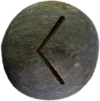
The rune Kenaz (ᚲ) aligns with Fjalar and Galar through its association with knowledge, craft, and the controlled use of creative energy, reflecting their role in transforming Kvasir’s essence into the Mead of Poetry. Kenaz (ᚲ), pronounced “KAY-nahz,” represents illumination and the spark that drives innovation, highlighting their ability to create something of lasting influence. This rune captures the constructive side of their actions while acknowledging the skill involved.
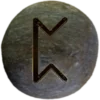
Perthro (ᛈ) also connects with Fjalar and Galar due to its link with mystery, hidden knowledge, and the unfolding of events shaped by chance and decision. Perthro (ᛈ), pronounced “PERTH-roh,” emphasizes the unpredictable nature of outcomes, aligning with the consequences that arise from their choices. Together, these runes reflect the balance between creativity and uncertainty that defines their story.
Fjalar and Galar’s Importance for Asatruar
Fjalar and Galar hold significance for Asatruar who explore the relationship between knowledge, creativity, and responsibility within their practice. Their story encourages reflection on how the pursuit of insight can lead to both growth and unintended consequences when guided by ambition alone. This perspective highlights the importance of intention in shaping outcomes.
Practitioners often view these figures as reminders that knowledge carries weight and requires careful handling to avoid harm or imbalance. Their actions demonstrate that creativity must align with awareness and respect for others, ensuring that its effects remain constructive. This understanding keeps their story relevant, offering insight into the challenges of balancing innovation with ethical consideration.