Last Updated on April 25, 2026
Table of Contents

Hrönn, The Surge Beneath the Surface
Hrönn appears in early northern sea tradition as a powerful wave figure whose name conveys the idea of swelling motion rising from beneath the ocean surface. Pronunciation follows HRURN, where the “ö” carries a rounded sound similar to “ur” in “burn,” and the double “nn” creates a firm ending. Alternate spellings include Hronn and Hrǫnn, with the séríslenskur letter “ö” maintaining that distinctive rounded vowel sound in spoken form.
Her identity centers on the hidden build of water that gathers strength before rising into visible movement, making her one of the more forceful expressions of ocean behavior. Storytellers describe Hrönn as the unseen lift that pushes waves upward, creating sudden changes that can unsettle even experienced sailors during long journeys. This emphasis on unseen buildup distinguishes her from figures associated with surface clarity or gentle motion.
References preserved in the Poetic Edda include Hrönn among nine daughters connected with a powerful sea entity, each representing a distinct ocean characteristic. Her name specifically reflects the act of swelling, which aligns with observations of waves forming from deep energy rather than surface winds alone. These textual mentions confirm that early poets recognized layered dynamics within the ocean and encoded them through descriptive naming.
Mariners interpret Hrönn as a warning sign, since her presence signals the rise of stronger waves that can shift conditions rapidly without obvious surface indicators. Her association with submerged force encourages careful reading of water patterns, especially when subtle lifts suggest larger movement building below. This connection reinforces her role as a figure tied directly to practical knowledge of the sea.
Structure of Name and Ocean Meaning
The name Hrönn carries a compact structure that communicates motion through sound, with the initial consonant cluster creating a sense of force and compression. Linguistic examination shows that the root connects with swelling or rising water, emphasizing movement that begins out of sight before becoming visible. Pronunciation guidance remains consistent, with HRURN capturing both the rounded vowel and the strong closing consonant.
Writers often retain alternate forms such as Hrǫnn, where the letter “ǫ” appears in older manuscripts and produces a sound similar to the modern “ö.” This variation highlights how written systems shift across time while preserving phonetic intention within oral tradition. Readers encountering these forms benefit from understanding that both symbols represent closely related vowel sounds.
Visual interpretations portray Hrönn as a rising mass beneath darker water, lifting the surface in a way that suggests imminent transformation rather than immediate impact. Artists emphasize tension and buildup, often showing smooth surfaces that conceal powerful motion underneath. This imagery aligns closely with seafaring observations that stress awareness of subtle cues rather than dramatic signs alone.
Hrönn occupies a distinct conceptual role among sea figures because she embodies preparation rather than release, focusing on the stage before visible cresting occurs. This perspective highlights how early observers paid attention to sequence and development within ocean movement rather than isolated moments. Her identity reinforces the importance of anticipating change through careful observation of patterns.
Role in Narrative and Maritime Practice
Narrative traditions use Hrönn to illustrate how unseen forces shape visible outcomes, particularly in environments where timing and awareness determine safety and success. Her presence signals that the ocean holds layered activity, with deeper motion influencing surface conditions in ways that require experience to interpret correctly. These stories encode practical lessons within memorable figures that guide understanding.
Her inclusion in poetic lists underscores a systematic approach to describing ocean behavior, where each named figure represents a specific aspect of wave formation and movement. Hrönn’s role within that system highlights the importance of buildup and transition, connecting hidden energy with eventual expression at the surface. This structured representation reflects careful observation translated into narrative form.
Modern discussions of maritime heritage often revisit Hrönn when exploring how traditional knowledge captures complex environmental processes without technical language. Her name continues to serve as a concise description of swelling motion that precedes larger wave activity across open water. This enduring relevance demonstrates how descriptive naming retains value across changing contexts.
Pronunciation remains HRURN in contemporary usage, with alternate spellings like Hronn simplifying written form while preserving core sound patterns. Her identity continues to communicate the importance of recognizing early signs of change within dynamic systems such as the ocean. This connection ensures that Hrönn remains a meaningful figure in discussions about observation, timing, and environmental awareness.
Runic Currents Connected to Hrönn
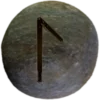
Laguz (ᛚ) rune aligns naturally with Hrönn through its association with flowing water and the unseen currents that shape visible movement across ocean surfaces. This rune emphasizes depth and intuition, qualities that reflect how Hrönn represents hidden buildup beneath calm appearances. Its symbolism supports interpretations focused on recognizing motion before it becomes fully visible.
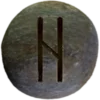
Ūruz (ᚢ) rune offers a complementary connection by representing raw strength and untamed force, which parallels the gathering energy that defines Hrönn’s character. This rune conveys physical power and potential, reinforcing the idea that significant movement often begins quietly before reaching full expression. Together, Laguz (ᛚ) and Ūruz (ᚢ) create a framework that captures both fluid buildup and emerging strength.
These runic associations help interpret Hrönn as a figure rooted in process rather than outcome, highlighting stages of development within natural movement. Laguz (ᛚ) reflects the continuous flow that feeds her rising motion, while Ūruz (ᚢ) emphasizes the strength that results from that accumulation. This combined perspective deepens understanding of how symbolic systems mirror observed environmental patterns.
Hrönn in Contemporary Asatruar Perspective
Asatruar communities often engage with Hrönn as a symbol of underlying strength and the importance of recognizing early signals within both natural and personal experiences. Her association with buildup encourages awareness of gradual change, helping practitioners focus on development rather than sudden outcomes. This perspective supports a deeper connection with processes that unfold over time.
Her imagery also reinforces respect for forces that operate beneath immediate perception, reminding participants that visible events often arise from unseen foundations. Practitioners incorporate this understanding into reflective practices that emphasize patience, observation, and readiness for change. Hrönn’s presence within modern interpretation continues to connect traditional insight with lived experience.