Last Updated on April 20, 2026
Table of Contents
The Valkyrie of Strength
Þrúðr, also written as Thrud or Thrúd, stands as a powerful female figure whose name carries the meaning “strength” or “might,” reflecting a direct association with force and endurance. The Old Norse name Þrúðr uses the letter Þ, called thorn and pronounced like the “th” in “thin,” while the accented ú sounds like “oo” in “food,” making the full pronunciation “THROODR.” This combination of sounds creates a firm and resonant name that matches the character’s connection to power and resilience.
Sources present Þrúðr as a daughter of Thor, linking her directly to one of the most formidable gods known for strength and protection. This lineage reinforces her identity, as she inherits qualities associated with physical force and the ability to confront overwhelming challenges. Her presence reflects continuity within divine families, where traits pass through generations and shape individual roles within larger narratives.
Alternate spellings such as Thrud and Thrúd appear in modern texts, though each version preserves the core meaning tied to strength and capability. Pronunciation remains close across variations, with emphasis placed on the initial consonant and the long vowel sound that follows. These linguistic details highlight how her name retains its impact even when adapted into different forms of writing.
Þrúðr appears in lists of Valkyries, where she stands among figures who select warriors and influence the outcome of battle. Her inclusion in these groups suggests an active role within the processes that determine fate and honor, aligning her with forces that shape both life and death. This connection expands her identity beyond lineage, positioning her as a participant in events that carry lasting consequences.
Presence in Early Sources
References to Þrúðr appear in the Poetic Edda, particularly in the poem Grímnismál, where her name is included among valkyries who serve within divine halls. This brief mention establishes her as part of a larger network of powerful female figures, each contributing to the maintenance of order and the recognition of valor. Although the text doesn’t provide extended narrative detail, it affirms her recognized place within the tradition.
Her name also appears in connection with Þrúðvangr, pronounced “THROOD-vahngr,” meaning “field of strength,” which further reinforces the thematic link between her identity and the concept of power. This association suggests a broader symbolic presence, where her name extends beyond a single role and into the landscape itself. Such connections deepen the sense that her influence reaches into multiple aspects of existence.
Stories outside of direct poetic references often expand her role, presenting Þrúðr as a figure who embodies both physical capability and inner resolve. These portrayals emphasize her independence and the authority she carries as both a valkyrie and a daughter of Thor. Her identity remains grounded in strength, yet it also includes awareness and purpose.
Symbolism and Lasting Influence
Þrúðr represents more than physical might, as her character reflects the idea of enduring through adversity while maintaining clarity and direction. This interpretation aligns with the broader theme of strength as a combination of action and resilience, rather than mere force. Her presence encourages recognition of power as something that must be guided with intention.
Modern interpretations often highlight her as a symbol of empowerment, focusing on her ability to stand alongside other formidable figures without losing individuality. She doesn’t fade into the background, instead maintaining a distinct identity shaped by both heritage and personal role. This clarity ensures that her character continues to resonate within contemporary discussions of strength and agency.
The enduring relevance of Þrúðr lies in her representation of strength as an active and evolving quality, one that adapts to challenges while remaining rooted in core values. Her story, though less detailed than others, carries a clear and lasting message about the importance of resilience and purpose. This combination keeps her presence vivid and meaningful across time.
Runes Associated with Þrúðr
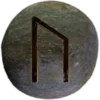
The rune Ūruz (ᚢ) aligns closely with Þrúðr through its association with raw strength, vitality, and the untamed force that drives growth and endurance. Ūruz (ᚢ), pronounced “OO-rooz,” represents the primal energy that fuels both physical power and inner resilience, reflecting the qualities embodied by Þrúðr. This rune emphasizes the importance of harnessing strength with awareness, ensuring that power serves a clear and constructive purpose.
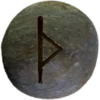
Thurisaz (ᚦ) also connects with Þrúðr due to its link to giants, conflict, and the focused application of force in moments that demand decisive action. Thurisaz (ᚦ), pronounced “THOO-ree-sahz,” carries a sense of controlled intensity, aligning with the idea that strength must be directed rather than uncontrolled. Together, these runes highlight the balance between raw power and disciplined use, mirroring Þrúðr’s enduring identity.
Þrúðr’s Importance for Asatruar
Þrúðr holds meaningful significance for Asatruar who value strength, resilience, and the ability to confront challenges with clarity and purpose. Her connection to Thor reinforces themes of protection and responsibility, encouraging practitioners to view power as something that supports both self and Community. This perspective emphasizes strength as a force that builds and sustains rather than overwhelms.
Many practitioners look to Þrúðr as a representation of balanced capability, where physical power aligns with inner resolve and thoughtful action. Her example highlights the importance of maintaining direction while facing adversity, ensuring that strength remains purposeful and grounded. This understanding allows her presence to remain relevant, offering guidance through her clear embodiment of endurance and intent.