Last Updated on April 7, 2026
Table of Contents

The Ritual of Sumbel and Its Living Tradition
The word Sumbel is pronounced SOOM-bell, with a soft and rounded vowel sound that flows smoothly into the second syllable, and it sometimes appears as sumbel, which sounds SIM-bell. This ritual gathering centers on shared drink, spoken words, and the strengthening of bonds among participants who sit together in a structured and attentive circle. Each person takes turns raising a horn or cup, offering toasts, oaths, or boasts that carry personal meaning and communal weight within the gathering. The act creates a rhythm that builds connection, memory, and accountability as each voice contributes to a shared experience that unfolds in real time.
The setting often includes a central drinking vessel, usually a horn, that moves deliberately from one participant to another, reinforcing both order and mutual respect throughout the ritual sequence. Participants speak carefully, since every word spoken during Sumbel holds significance and reflects directly on the speaker’s honor and reputation among those present. The structure encourages mindfulness, since no one interrupts, and each contribution receives full attention from the group. This format creates an atmosphere where speech carries weight, and where participants recognize the importance of intention behind every statement they choose to share.
Structure and Flow of the Gathering
The ritual usually unfolds in multiple rounds, with each round serving a different purpose that builds depth and meaning as the gathering progresses. The first round often focuses on honoring deities or revered figures, while the second round shifts toward ancestors or respected predecessors, allowing participants to acknowledge lineage and continuity. A third round often invites personal statements, including oaths, boasts, or expressions of intent that reflect individual goals or achievements. This progression creates a layered experience that moves from shared reverence to personal expression, while maintaining a cohesive structure that everyone understands and respects.
Participants approach their turn with care, since the ritual places strong emphasis on truthful speech and meaningful contribution rather than casual or careless words. The communal setting reinforces accountability, because others remember what each person says, and future actions reflect on those spoken declarations. The ritual therefore acts as both a social bond and a moral framework, encouraging individuals to align their words with their actions over time. This dynamic creates a powerful sense of responsibility that extends beyond the gathering itself, shaping how participants engage with one another afterward.
Symbolism and Cultural Meaning
The shared drink within Sumbel represents more than simple hospitality, since it symbolizes unity, trust, and the exchange of intention among those who participate in the ritual circle. The passing of the horn reinforces equality, because each person receives the same opportunity to speak and contribute to the unfolding narrative of the gathering. The ritual also emphasizes memory, since spoken words remain in the minds of participants, forming a collective record that influences future interactions and relationships. This emphasis on remembrance strengthens Community ties and reinforces the importance of maintaining integrity in both speech and action.
In sources such as the Poetic Edda, particularly in Hávamálguidance appears on speech, honor, and conduct that aligns closely with the values expressed during Sumbel gatherings. These teachings emphasize careful speech, respect for others, and awareness of reputation, all of which play central roles in the ritual’s structure and purpose. The connection highlights how the practice reflects broader cultural values that prioritize honor, memory, and the responsible use of words within a community setting.
Runes Connected to the Sumbel Practice
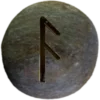
The rune Ansuz (ᚨ), pronounced AHN-sooz, represents communication, speech, and inspired expression, which directly aligns with the spoken elements that define the Sumbel ritual. This rune emphasizes the power of words to shape reality, influence relationships, and convey intention within a structured and attentive environment.
Another rune, Gebō(ᚷ), pronounced GAY-boh, symbolizes gift exchange, reciprocity, and balanced relationships between individuals who share mutual respect and obligation. These meanings connect closely with the act of passing the horn and sharing words, since each participant gives and receives attention, intention, and acknowledgment during the ritual sequence.
The Role of Sumbel Among Asatruar
Among modern practitioners who identify as Asatruar, Sumbel holds a central place as a ritual that reinforces identity, continuity, and shared values within their communities. Participants use the gathering to honor deities, remember ancestors, and express personal commitments that reflect their understanding of tradition and responsibility. The ritual creates a living connection between past and present, allowing individuals to engage actively with inherited practices while adapting them to contemporary settings. This ongoing use of Sumbel strengthens community bonds, encourages accountability, and provides a structured way to express belief through action, speech, and shared experience.