Last Updated on April 17, 2026
Table of Contents

Hendingar: Structured Echoes in Poetic Tradition
Hendingar, also written as Hendingarhættir in extended forms or sometimes simplified as Hendingar patterns, refers to a structured poetic technique that emphasizes internal sound connections within early northern verse traditions. The name Hendingar uses clear phonetic elements, and it is pronounced “HEN-ding-ar,” with a firm emphasis on the first syllable and a crisp ending that reflects its rhythmic nature. This pronunciation preserves the clarity of its linguistic roots while reinforcing its association with sound and repetition.
This concept focuses on the deliberate linking of sounds within lines of poetry, where repeated consonants or vowels create cohesion and reinforce meaning through auditory patterns. Poets use Hendingar to craft verses that carry rhythm and memorability, ensuring that each line connects with the next through carefully chosen sound relationships. These patterns do not emerge randomly, since they require intentional construction and a strong awareness of language and timing.
Hendingar contributes to the overall structure of poetic expression, providing a framework that supports both storytelling and performance within a communal setting. Through its use, poets create a sense of continuity that allows listeners to follow complex narratives while remaining engaged with the rhythm of the verse. This technique highlights the importance of sound as an active element within storytelling rather than a passive feature.
Sound Patterns and Poetic Craft
The use of Hendingar relies on the repetition of specific sounds within a line, often through alliteration or internal rhyme that binds words together in a deliberate and recognizable pattern. This approach requires careful selection of vocabulary, since each word must contribute to both meaning and sound without disrupting the flow of the verse. Poets who master this technique demonstrate a high level of skill, balancing creativity with structure.
Such patterns enhance the listening experience, as repeated sounds create a rhythm that draws attention and reinforces key ideas within the narrative. This auditory consistency allows audiences to anticipate patterns, making the verse easier to follow and remember during oral performance. It therefore plays a crucial role in preserving stories across generations through spoken tradition.
The technique also reflects a broader appreciation for language as a dynamic tool, where sound and meaning work together to create a unified expression. By linking words through shared sounds, poets build layers of connection that extend beyond simple storytelling. This layered structure gives Hendingar a lasting presence within poetic practice.
Presence in Early Literary Sources
Hendingar appears within Skaldic Poetry, where poets employ intricate sound patterns to construct verses that carry both narrative depth and rhythmic precision. These compositions often feature internal rhymes and repeated consonants, demonstrating its deliberate use to shape the flow of the poem. This presence highlights its importance as a defining feature of poetic craftsmanship.
Examples within these sources show how poets integrate it into complex structures, creating verses that challenge both the speaker and the listener through layered sound relationships. This approach reinforces the role of poetry as both an art form and a means of preserving cultural memory. The technique ensures that each line contributes to a cohesive and engaging whole.
These accounts confirm that Hendingar remains a central element within early poetic traditions, influencing how stories are told and remembered. Its continued recognition reflects the enduring value of structured sound within language. This lasting influence defines its role within these traditions.
Runes Connected to Hendingar
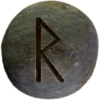
The rune Raido (ᚱ) connects with Hendingar through its association with rhythm, movement, and the structured progression of events, which mirrors the flow created by repeating sound patterns in poetry. Raido (ᚱ) is pronounced “RYE-tho,” and it represents the idea that movement follows a deliberate path shaped by intention and awareness. This connection reflects how Hendingar guides the progression of verse through carefully arranged sound.
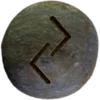
The rune Perthro (ᛈ), pronounced “PER-thro,” relates to unfolding patterns and hidden structures that reveal themselves over time, aligning with the layered nature of Hendingar within poetic composition. This symbolism highlights how sound patterns contribute to meaning in subtle and complex ways. Together, these runes emphasize rhythm and structure as defining elements of Hendingar.
Hendingar and Asatruar Significance
Hendingar holds importance among Asatruar, as it represents the preservation of language, storytelling, and the structured transmission of knowledge across generations. Its use within poetry demonstrates how sound and rhythm can carry meaning in ways that strengthen memory and reinforce cultural identity. This perspective encourages a deeper appreciation for the role of language in maintaining continuity.
The technique also reflects the value of craftsmanship, as it requires skill, attention, and deliberate effort to create effective patterns that enhance both meaning and delivery. Hendingar serves as a reminder that tradition often depends on individuals who refine and preserve expressive forms with care. It continues to inspire a focus on language, structure, and shared cultural expression.