

Midsummerblót 2026: Rituals, Meaning, and Living Tradition
Midsummerblót 2026 marks a seasonal rite that honors the peak of sunlight and life. The word blót comes from Old Norse. It means “sacrifice” or “offering.” You pronounce blót as “bloht,” where “ó” sounds like “oh.” The term Midsummerblót sounds like “MID-sum-er-bloht.” Some people also write it as Midsummer blot or Midsommarblot.
This event takes place near the summer solstice. In 2026, the solstice falls around June 21. Participants gather outdoors when possible. They choose forests, fields, or coastal spaces. These locations reflect a close tie to nature. Sunlight plays a central role, so many groups meet during daylight or at sunset.
People prepare offerings with care. Common items include mead, bread, fruits, and herbs. Each item holds symbolic value. Mead represents vitality and shared joy. Bread reflects human effort and sustenance. Herbs connect to healing and growth. Participants place these offerings on an altar or sacred surface.
Leaders or hosts guide the ritual. They speak invocations in clear and direct language. They may call upon seasonal forces, land spirits, or ancestral memory. Attendees raise drinking horns or cups. They make toasts that express gratitude, hope, or personal vows. This act forms a key moment in the ceremony.
Fire often appears in Midsummerblót. People light bonfires or small contained flames. Fire symbolizes transformation and protection. Participants may walk around the fire in a slow procession. Some groups sing or chant. Rhythm builds a sense of unity.
Seasonal customs vary by region. In northern areas, people decorate poles or wreaths with flowers. These items reflect fertility and renewal. In coastal regions, water rituals may take place. People wash hands or faces in natural water. This act symbolizes cleansing and renewal.
The tone of Midsummerblót remains both solemn and joyful. Participants balance reverence with celebration. They share food after the ritual ends. This shared meal strengthens social bonds. It also marks the transition from sacred time to communal life.
Seasonal Symbols and Cultural Roots
Midsummerblót draws from older Scandinavian customs. These customs center on the sun’s height and the land’s fertility. Ancient communities depend on seasonal cycles. They observe the solstice as a turning point. The longest day signals both abundance and the slow return of darkness.
Old Norse texts do not describe Midsummerblót in detail. However, they mention seasonal feasts and offerings. The Ynglinga Saga refers to sacrifices tied to seasonal change. These rites aim to secure good harvests and peace. The Poetic Edda also reflects a worldview that values cycles of nature and fate.
Modern observances adapt these ideas. People do not follow one fixed format. Each group shapes the ritual to fit its setting. Some focus on historical reconstruction. Others emphasize personal meaning. Both approaches share a respect for seasonal rhythm.
Clothing often reflects the occasion. Participants may wear light colors or natural fabrics. Flower crowns appear in some gatherings. These items connect to growth and beauty. They also create a festive atmosphere.
Music adds depth to the ritual. Drums, flutes, or simple chanting appear often. Sound helps guide attention and emotion. It creates a shared experience that words alone cannot achieve.
Weather plays a direct role in the event. Clear skies enhance the sense of connection to the sun. Rain does not cancel the ritual. Instead, it shifts the mood. Participants may view rain as a blessing for crops and land.
The structure of Midsummerblót remains flexible. It often includes opening words, offerings, toasts, and closing thanks. This structure provides a clear flow. It allows participants to engage without confusion.
Community, Renewal, and Modern Practice
Midsummerblót 2026 emphasizes renewal and connection. People use this time to reflect on personal growth. They consider goals set earlier in the year. The solstice acts as a checkpoint. It encourages honest evaluation and adjustment.
Community plays a central role. Participants value shared experience over strict form. They welcome newcomers with clear guidance. This openness helps the tradition continue and evolve.
Food and drink remain central after the ritual. People share meals that highlight seasonal ingredients. Fresh berries, grains, and herbs often appear. This meal reinforces the link between land and life.
Some groups include storytelling. They share myths or personal reflections. These stories pass knowledge across generations. They also create a sense of continuity.
Midsummerblót 2026 stands as both a cultural and spiritual event. It honors the sun’s peak and the earth’s abundance. It also invites reflection, gratitude, and shared purpose.
Elder Futhark Runes Linked to Midsummerblót
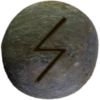
Two Elder Futhark runes often align with Midsummerblót themes: Sowilō and Jēra. You pronounce Sowilō as “SOH-wee-loh.” The “ō” sounds like “oh.” This rune represents the sun, success, and clarity. It reflects the solstice’s strong light and energy. People associate it with guidance and forward motion.
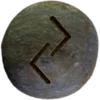
Jēra sounds like “YEH-rah.” It symbolizes cycles, harvest, and reward. This rune marks the link between effort and outcome. It fits the seasonal turning point of midsummer. The land shows growth, yet the harvest still lies ahead.
Together, these runes express balance. Sowilō brings light and power. Jēra reminds people of patience and timing. Many participants reflect on these meanings during Midsummerblót 2026.
Importance of Midsummerblót 2026 to Asatruar
Midsummerblót 2026 holds deep importance for Asatruar. It marks a key point in the seasonal cycle. The solstice shows the height of light and life. This moment invites gratitude and awareness.
Asatruar use this rite to honor natural forces and ancestral ties. They see the land as active and meaningful. The ritual strengthens that relationship. Offerings and toasts express respect and intent.
Community also matters. The gathering creates shared identity and purpose. People reconnect with others who hold similar values. This bond supports both spiritual and social life.
Reflection plays a central role. Participants review personal goals and growth. The solstice acts as a midpoint in the year. It encourages balance between action and patience.
Midsummerblót helps Asatruar align with nature, community, and personal purpose.