

Freyfaxi 2026: Celebration of Harvest, Horses, and Sacred Plenty
Freyfaxi (2026), pronounced “FRAY-fahk-see,” also appears as Freyfaxi or Freyfaxi Blót in various modern reconstructions, and speakers articulate the Old Norse elements carefully as “Frey” like “fray” and “faxi” like “fahk-see.”
This festival takes place during the height of the harvest season, and participants honor abundance, fertility, and the enduring relationship between people, land, and working animals that sustain agricultural life.
Freyfaxi 2026 occurs in early August, aligning with the first harvest period when communities gather crops and recognize the tangible rewards of seasonal labor, patience, and cooperation with natural cycles. The name connects directly to the deity Freyr and his mythical horse, whose name “Faxi” means mane, and speakers pronounce it clearly as “FAHK-see” with a short and open vowel sound.
People celebrate Freyfaxi by preparing communal meals, offering thanks for successful harvests, and acknowledging the vital role that animals, especially horses, play in farming, travel, and survival across historical Northern societies.
Many groups also incorporate symbolic gestures such as decorating tools, blessing fields, or sharing stories that reinforce the importance of stewardship and reciprocity with the environment.
Freyfaxi emphasizes physical connection with the land, and participants often hold gatherings outdoors where they cook fresh food, share seasonal produce, and engage in activities that reflect traditional agricultural rhythms.
This observance fosters a sense of grounded continuity, because it encourages individuals to reflect on effort, interdependence, and the practical realities that shape human survival across generations.
Seasonal Meaning and Cultural Context
The festival highlights a transitional moment when early harvests begin, and people acknowledge both the relief of abundance and the responsibility to preserve resources for the coming colder months.
Communities use this time to strengthen social bonds through shared labor, feasting, and storytelling, which collectively reinforce cultural identity and practical resilience in the face of environmental uncertainty.
Freyfaxi also draws attention to the symbolic and literal importance of horses, which historically provide transportation, agricultural power, and companionship, and therefore represent both wealth and mobility within Norse-influenced societies.
Participants sometimes honor horses directly through grooming rituals, decorative tack, or ceremonial acknowledgments that express gratitude for the animal’s strength and loyalty.
The pronunciation of Freyfaxi remains consistent across most modern usages, with “Frey” spoken as “fray” and “faxi” as “FAHK-see,” and speakers avoid anglicizing the term too heavily in order to preserve its linguistic roots.
Alternative spellings remain limited, although some texts present “Freyfaxi Blot,” where “Blót” sounds like “bloht” with a long “o” vowel, reflecting an offering or ritual feast.
Freyfaxi appears in the Hrafnkels saga Freysgoða, where a chieftain dedicates a prized horse named Freyfaxi to Freyr, and the narrative explores themes of honor, devotion, and the consequences of broken oaths.
This saga provides one of the clearest literary connections to the name, and it reinforces the deep cultural significance of horses within Norse tradition and storytelling.
Ritual Practices and Modern Observance
Modern celebrations of Freyfaxi 2026 often adapt historical inspiration into contemporary contexts, where individuals and groups gather in parks, farms, or private spaces to recreate seasonal rituals with meaningful intention.
Participants prepare meals using local ingredients, which emphasizes sustainability and connection to regional ecosystems while reinforcing the harvest theme central to the festival.
Ritual offerings frequently include bread, grains, fruits, and beverages, and people present these items symbolically as expressions of gratitude for fertility, prosperity, and the continued cycles of growth that sustain life.
Some gatherings include structured ceremonies with spoken invocations, while others maintain informal atmospheres that focus on shared experience rather than formal ritual structure.
Music, storytelling, and communal games often accompany the celebration, and these activities strengthen interpersonal bonds while preserving cultural narratives that give context and depth to the observance.
Freyfaxi encourages reflection on effort and reward, and it reminds participants that prosperity emerges from consistent work, environmental awareness, and respectful relationships with both land and animals.
Runes of Freyfaxi: Fehu and Jera
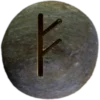
The rune Fehu, pronounced “FAY-hoo,” represents wealth, livestock, and movable prosperity, and it aligns strongly with Freyfaxi because it emphasizes the value of resources gained through effort and stewardship.
Fehu symbolizes not only material abundance but also the responsibility to manage wealth wisely, which reflects the harvest themes present during this seasonal celebration.
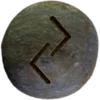
The rune Jera, pronounced “YEH-rah,” signifies the yearly cycle, harvest completion, and the natural rhythm of cause and effect, making it deeply relevant to Freyfaxi and its agricultural focus.
Jera reinforces the idea that consistent labor produces results over time, and it highlights the importance of patience, timing, and cooperation with seasonal changes.
Together, Fehu and Jera create a balanced symbolic framework, where one rune represents the reward and the other represents the process that leads to that reward.
These runes complement the themes of Freyfaxi by illustrating how effort, time, and natural cycles interact to produce abundance and sustain communities.
Freyfaxi 2026 and Its Importance to Asatruar
Freyfaxi 2026 holds deep importance for Asatruar because it provides a structured opportunity to honor Freyr and recognize the tangible presence of fertility, prosperity, and balance within everyday life.
Participants use this festival to strengthen their spiritual connection to natural cycles, and they emphasize gratitude for the harvest as a direct expression of divine influence and human effort.
This observance reinforces core values such as reciprocity, respect for the land, and the acknowledgment of interdependence between people, animals, and environmental systems that sustain life.
Asatruar often view Freyfaxi as a moment to reaffirm commitments to responsible living, and they integrate ritual, community gathering, and reflection into a cohesive and meaningful celebration.
The festival also strengthens communal identity, because shared participation fosters continuity and reinforces traditions that connect modern practitioners with historical and mythological foundations.