

Haustblót 2026: Autumn Offering and Seasonal Turning
Haustblót (2026), pronounced “HOWST-bloht,” with “au” sounding like “ow” in “cow” and “blót” pronounced “bloht,” marks a seasonal rite that honors the harvest and acknowledges the coming winter. People also spell it as Haustblot or Høstblot, and each variation reflects regional phonetic habits while preserving the same ritual meaning.
Participants gather during late autumn, often in October or November, when fields rest and communities prepare for colder months with intention and reflection. The rite centers on gratitude for sustenance, recognition of natural cycles, and the strengthening of social bonds through shared offerings and ceremonial acts.
Communities organize Haustblót 2026 around local conditions, so coastal groups, rural gatherings, and urban circles shape their practices according to environment and available resources. Each group chooses offerings such as grains, meats, or crafted items, and participants present them with deliberate gestures that reinforce continuity with ancestral traditions.
Leaders guide the ceremony by invoking seasonal themes, speaking words that emphasize harvest completion, preservation of resources, and mindful transition into a quieter time of year. Attendees often stand in a circle, share drink from a communal vessel, and speak intentions that align personal goals with collective well-being.
The ritual includes symbolic acts that represent release and preparation, such as pouring libations onto the earth or placing offerings into fire or water. These gestures create a tangible connection between participants and the land, reinforcing a sense of responsibility toward ecological balance and community resilience.
Haustblót also encourages storytelling, music, and shared meals, which transform the gathering into a living expression of cultural memory and social cohesion. People bring seasonal foods, prepare traditional dishes, and engage in conversations that connect present experiences with inherited knowledge and evolving customs.
Seasonal Structure and Communal Practice
In Haustblót 2026, participants often emphasize sustainability and mindful consumption, which reflect contemporary concerns while maintaining the ritual’s foundational themes of gratitude and preparation. Communities adapt older frameworks into modern contexts, ensuring that the rite remains relevant and meaningful across different lifestyles.
Some groups incorporate symbolic tools such as carved wooden bowls, horn vessels, or seasonal decorations made from autumn leaves and harvested plants. These objects anchor the ritual in physical experience, allowing participants to engage multiple senses while focusing their attention on shared purpose.
The timing of Haustblót aligns with agricultural cycles, yet urban practitioners also observe it by connecting with seasonal markets, local produce, and environmental awareness initiatives. This adaptability allows the rite to maintain continuity while expanding its reach beyond traditional rural settings.
Participants often wear simple attire or garments that reflect seasonal colors, such as deep reds, browns, and golds, which visually reinforce the themes of harvest and transition. This aesthetic choice creates a unified atmosphere that strengthens group identity and enhances the ceremonial experience.
In historical sources like the Poetic Edda and the Prose Edda, references to seasonal offerings and communal feasts appear frequently, illustrating how gatherings like Haustblót connect to broader cultural narratives. These texts describe ritualized feasting and offerings that honor cycles of nature, providing context for modern interpretations of autumn ceremonies.
Communities conclude Haustblót with expressions of unity, often through shared silence, collective chants, or closing words that emphasize resilience and mutual support. These final moments encourage participants to carry the ritual’s intentions into daily life, strengthening both individual focus and communal harmony.
Runes of Harvest and Transition
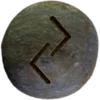
The rune Jēra, pronounced “YEH-rah,” represents the cycle of the year and the reward that follows sustained effort, making it closely associated with Haustblót. Its meaning emphasizes completion, harvest, and the natural rhythm of growth and rest, which align directly with autumn observances.
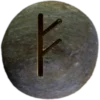
The rune Fehu, pronounced “FAY-hoo,” symbolizes wealth, livestock, and movable prosperity, reflecting the tangible results of a successful harvest season. During Haustblót 2026, practitioners may carve or display these runes to focus intention on gratitude, abundance, and responsible stewardship of resources.
Cultural Significance for Asatruar
Haustblót 2026 holds deep importance for practitioners of Asatru because it reinforces their connection to seasonal cycles, communal identity, and ancestral traditions through active participation and shared ritual practice.
Participants view this rite as an opportunity to honor the harvest, acknowledge interdependence with nature, and strengthen bonds within their communities through meaningful interaction.
They approach Haustblót with intention, using offerings, words, and symbolic acts to express gratitude while preparing mentally and spiritually for the challenges of winter.
This observance also supports continuity, as experienced members guide newer participants, ensuring that knowledge, customs, and values pass forward with clarity and purpose.