Last Updated on April 8, 2026
Table of Contents
Haustblót: The Autumn Sacrifice and Seasonal Turning
Haustblót, pronounced how-st-bloht, with “hau” sounding like “how” and “Blót sounding like “bloat,” marks a significant autumn ritual that honors the turning of the agricultural cycle and prepares communities for the long winter ahead. This observance centers on gratitude for the completed harvest, while also addressing the uncertainty that colder months bring, as people seek protection, fertility, and continued prosperity through offerings and communal rites. The term itself combines “haust,” meaning autumn, and “blót,” meaning sacrifice or offering, and alternative spellings include Haustblot and Haust-Blót, though pronunciation remains largely consistent across variations.
Communities gather during this seasonal rite to share food, drink, and ritual actions that reinforce social bonds while acknowledging the dependence on Natural Cycles and unseen forces. Participants often dedicate offerings of livestock, grain, or crafted goods, symbolizing both abundance and the willingness to give back in exchange for future security and balance. Leaders of the ritual guide proceedings with spoken invocations and structured actions that connect participants to ancestral traditions, ensuring continuity through shared memory and deliberate repetition.
The atmosphere during Haustblót carries both celebratory and solemn tones, as people recognize the success of their efforts while confronting the reality of impending scarcity and environmental hardship. Fires, feasting, and storytelling create a communal space where individuals reflect on the past season’s labor and mentally prepare for the endurance required during winter. This balance between joy and caution defines the ritual’s character, as it embraces both gratitude and strategic foresight within a single gathering.
Ritual Structure and Cultural Context
Haustblót unfolds through a sequence of deliberate actions that begin with preparation of the sacred space, followed by offerings, shared meals, and closing acknowledgments that reaffirm communal unity and intention. Participants often cleanse or designate a specific area for the ritual, ensuring that the environment reflects respect and focus, while also separating the sacred moment from everyday activity. The act of offering holds central importance, as individuals or groups present symbolic items that represent both material wealth and spiritual commitment.
Food and drink play a critical role throughout the ritual, as communal consumption reinforces social cohesion and mirrors the agricultural abundance that the ceremony celebrates. Drinking horns or shared vessels circulate among participants, and each person contributes to the collective experience through toasts, spoken reflections, or silent intention. This shared participation ensures that Haustblót remains a collective event rather than an individual act, emphasizing interdependence and mutual responsibility.
Cultural context shapes how Haustblót manifests in different communities, yet core elements remain consistent across variations, including gratitude for the harvest and preparation for winter’s demands. Seasonal timing aligns with the completion of major agricultural tasks, making the ritual both practical and symbolic in its scheduling. The gathering serves as a bridge between cycles, connecting the warmth of harvest with the endurance required for survival during colder months.
Literary Mentions and Historical Echoes
References to seasonal sacrifices resembling Haustblót appear in several early narratives, where autumn offerings coincide with communal gatherings and ritual feasting that reinforce social order and spiritual practice. These accounts describe structured ceremonies involving leaders who oversee sacrifices and ensure that offerings align with communal expectations, highlighting the importance of organized ritual in maintaining stability. While descriptions vary in detail, they consistently emphasize the connection between seasonal change and ritual obligation.
These literary glimpses provide insight into how communities integrated ritual practice into their yearly cycle, ensuring that each season received acknowledgment through appropriate ceremonies. Autumn rituals stand out due to their dual focus on gratitude and preparation, reflecting both the rewards of labor and the anticipation of hardship. Through these narratives, Haustblót emerges as a vital moment that balances celebration with caution, grounding communities in both present abundance and future uncertainty.
The enduring relevance of Haustblót lies in its ability to connect individuals with cyclical time, reinforcing awareness of natural rhythms while encouraging deliberate action in response to seasonal change. This ritual continues to resonate because it addresses universal human concerns, including survival, gratitude, and the need for communal support during challenging periods. By maintaining these practices, participants preserve a meaningful connection to heritage and seasonal awareness.
Runes Connected to Haustblót
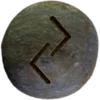
Two Elder Futhark runes closely align with the themes of Haustblót, reflecting both the harvest’s completion and the transition into a more uncertain seasonal phase that demands resilience and foresight. The rune Jēra(ᛃ), pronounced yeh-rah, represents the cycle of the year and the successful completion of effort, making it particularly relevant during autumn when the harvest reaches its conclusion and rewards become tangible. This rune emphasizes the concept of natural timing, reinforcing the idea that consistent work leads to eventual return, which resonates strongly with the purpose of Haustblót.
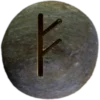
Another rune, Fehu (ᚠ), pronounced feh-hoo, symbolizes wealth, livestock, and movable prosperity, all of which play a central role in autumn offerings and communal feasting. Fehu (ᚠ) reflects both material abundance and the responsibility to manage resources wisely, especially as winter approaches and scarcity becomes a real concern. Together, Jēra (ᛃ) and Fehu (ᚠ) encapsulate the dual nature of Haustblót, combining celebration of success with careful preparation for the challenges that follow.
Modern Importance to Asatruar
For Asatruar, Haustblót holds deep significance as a ritual that connects modern practitioners with seasonal rhythms while reinforcing a sense of continuity with historical traditions and communal values. Participants gather to honor the harvest, share food, and express gratitude, creating an experience that blends historical awareness with present-day intention and Community building. This observance allows individuals to engage actively with seasonal change rather than viewing it as a passive transition.
The ritual also serves as a moment for reflection and planning, encouraging participants to assess their personal and communal readiness for the coming months while strengthening bonds through shared activity and mutual support. By maintaining Haustblót, Asatruar cultivate a lived connection to tradition that emphasizes action, reciprocity, and awareness of natural cycles. This ongoing practice ensures that the ritual remains relevant, meaningful, and integrated into contemporary life.